Archive for the ‘Doug’s Original Work’ Category

An Interview with Super Math Teacher Jo Boaler – Listen and Share with Teachers You Know

Wednesday, October 27th, 2021

Free Resources for Busy Parents and Educators Who Don’t Have as Much Time to Read and Surf as I Do
Mathematical Mindsets

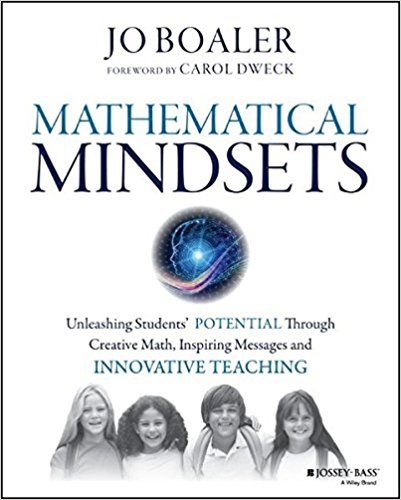
Rather than posting my traditional eight links today, I’m posting a link to an interview with Jo Boaler from Stanford who is my favorite math(s) teacher. I’m also posting a link to my summary of her book, Mathematical Mindsets, and my notes from this interview.

While observing teachers yesterday at Chenango Forks Central Schools in Upstate New York, Ed Kozlowski, a special teacher working in math classes, told me about this interview. He warned that it was an hour and a half long but well worth it. He was correct. You can break it into segments or listen as you exercise. You might also want to check out other interviews by Lex Fridman including a two-parter with Elon Musk. Also, in honor of Jay Black of Jay and the Americans (1938-2021), I’ve also included two links below under Humor/Music/Cool Stuff.


Jo Boaler: How to Learn Math, an Interview on Lex Fridman’s Podcast – This is 1:30 long, but well worth it for math teachers and teachers of anything else. @joboaler @lexfridman

My Notes From the Interview

Parents who have math anxiety probably shouldn’t try to help their kids with math unless they can fake it.

When teaching math it’s important to make things visual when you can. When you see it visually or build it you will make more connections in your brain. We are all visual learners.

When you give feedback try to send the message that “I believe in you or I know that you can do this.”

A good way to study is to test yourself. Try to recall what you were doing in class. Try to see the main ideas. Engaging in recall does a better job of building brain connections than additional study.

Collaboration is important. Social thinking helps with brain development.

As a course moves on try to access students and give them feedback rather than a grade. Give them a rubric and have them access themselves. Have students write the questions.

Surround yourself with people who believe in you and vice versa. These will be your best mentors.

Humor, Music, Cool Stuff

Jay Black (1938-2021) – Cara Mia – It starts with a minute of humor. He is 62 here and can still sort of hit the notes. If you want to hear the younger Jay sing Cara Mia and a few more hits, click here.
Jooble

Recent Book Summaries & My Podcast

Suite Talk
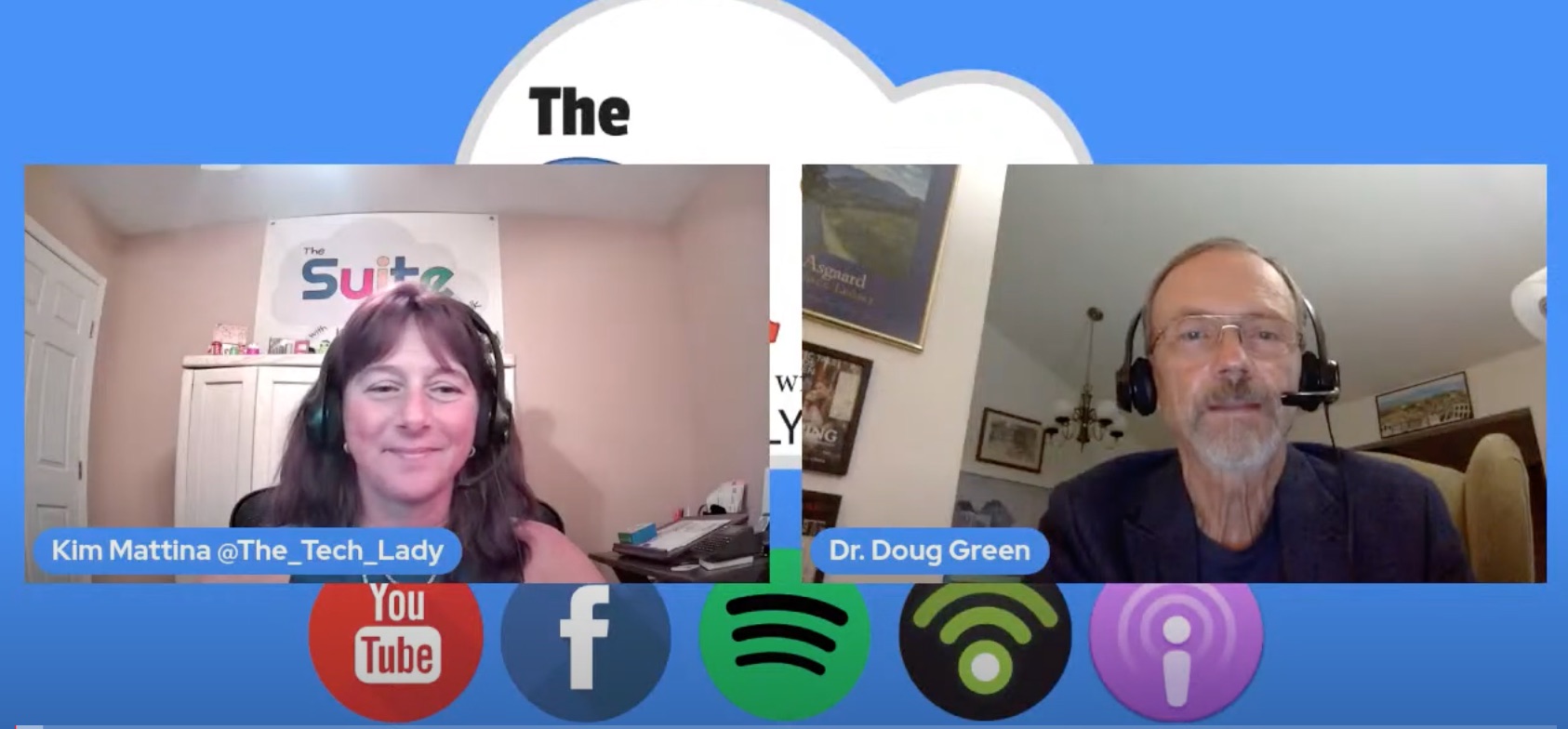
180 Moving Forward past the Pandemic with Dr. Doug Green – On October 4, 2021, I was Kim Mattina’s guest on her weekly show. Please join us for a discussion on what we can gain from our pandemic experiences as educators.

The Future of Smart

The Future of Smart: How Our Education System Needs to Change to Help All Young People Thrive by Ulcca Joshi Hansen

Noise: A Flaw In Human Judgement by Daniel Kahneman, Oliver Sibony, & Cass Sunstein

Weapons of Mass Instruction: A Schoolteacher’s Journey Through the Dark World of Compulsory Schooling by John Taylor Gatto

Unwinding Anxiety: New Science Shows How to Break the Cycles of Worry and Fear to Heal Your Mind by Judson Brewer

Where Good Ideas Come From: The Natural History of Innovation by Steven Johnson
Cup of Joe
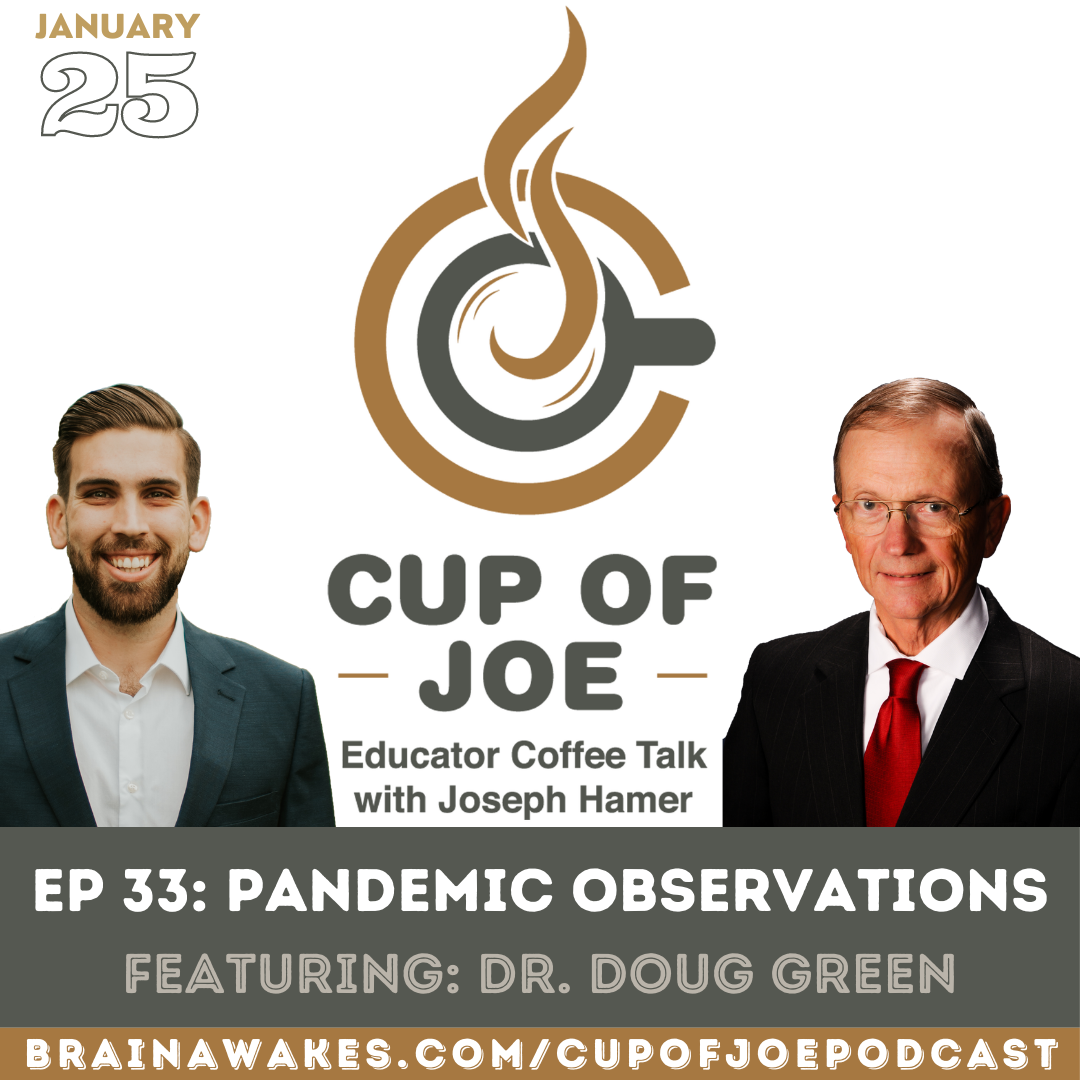
Listen to Dr. Doug on the “Cup of Joe” podcast. I recorded it last week. On it, I talk about the many good things I have seen in schools doing hybrid teaching. @PodcastCupOfJoe @DrDougGreen @BrainAwakes

Grasp: The Science of Transforming How We Learn by Sanjay Sarma with Luke Yoquinto

Back to School COVID Myths – It’s popular to say that hybrid learning is negatively impacting poor students who generally attend schools with lots of discipline issues. Is it possible that some poor kids who make a serious effort to learn aren’t the big winners? There may be stresses at home, but not many bullies. @DrDougGreen @mssackstein

This is my podcast on the Jabbedu Network. Please consider listening and buying my book Teaching Isn’t Rocket Science, It’s Way More Complex. Here’s a free executive summary. @jabbedu @DrDougGreen

Boys and Sex: Young Men on Hookups, Love, Porn, Consent, and Navigating the New Masculinity by Peggy Orenstein

Emotional Intelligence 2.0 by Travis Bradberry & Jean Greaves (the book can be found here)

Upstream: How to Solve Problems Before They Happen by Dan Heath

Be sure to try the bottom right translate button for your favorite language or one you are trying to learn. If you don’t see it check your adblocking software.

Share this:
Share this page via Email Share this page via Stumble Upon Share this page via Digg this Share this page via Facebook Share this page via Twitter Share this page via Google Plus

Why Getting Vaccinated is the SMART CHOICE by Dr. Doug Green – Updated 9/15/2021

Tuesday, September 14th, 2021
Vaccine

Why I got Vaccinated and You Should Too by Dr. Doug Green

  • I published this prior to President Biden’s recent action on COVID where he said that all federal employees and anyone who works for an organization with more than 100 employees need to be vaccinated or tested weekly. As a result, I did an update. Please share with anyone you know who isn’t vaccinated. It may say a life.
  • Everyone I know personally has been vaccinated, it’s clear that there are a lot of people in the US who have so far chosen not to. The purpose of this article is to explain why choosing the vaccine puts the odds way in your favor when it comes to avoiding serious illness and death. Good luck.
  • 1. If you don’t trust the government, don’t worry. The government did not make the vaccine! The government is not forcing anyone to get vaccinated! The vaccines were created by the private sector with strong encouragement from the Trump administration. The entire Trump and Biden families have been vaccinated. Recently, however, President Biden took action that will require federal employees and anyone working for an organization with more than 100 employees to get vaccinated to show a negative test weekly. If you are determined not to be vaccinated you face the inconvenience and possibly the cost of weekly testing. You also run the risk of a false positive or a real positive followed by a week or two of quarantine for which you might not get paid. Failure to comply could cost you your job.
  • 2. 99+% of people in hospitals with COVID are NOT vaccinated. (2) That alone should be the only reason you need to get vaccinated unless you really like hanging out in hospitals and the possibility of being placed on a ventilator or dying.
  • 3. Vaccines have eliminated some diseases altogether like smallpox and polio. Almost all of us had a number of vaccines when we were young for a variety of diseases. Within the last decade, I also had vaccines for pneumonia and shingles. Many people actually die from pneumonia when their lungs fill with fluids caused by some other disease. Are you afraid of needles? It’s time to suck it up. There is little or no real pain and the process lasts a few seconds. Will the injection site be a little sore the next day? Probably, but on a scale from one to ten it’s more like a one.
  • 4. Muslim terrorists are noted anti-vaxers. They have been known to murder medical personnel trying to bring vaccines for things like measles to people in rural communities. When it comes to vaccines do you really want to be on their side of the argument?
  • vaccine 2

  • 5. Are you shunning the vaccine because you think it’s the conservative thing to do? Note that every news anchor on the conservative Fox News Network has been vaccinated and encourages you to do the same. They are also quick to point out that the matter is your choice.
  • 6. People with low levels of education are far less likely to be vaccinated. Poor people are far less likely to be vaccinated. Are these groups you identify with? With an earned doctorate and a generous pension, I am well educated and not poor. I got vaccinated. Even if you are poor and didn’t finish high school you can benefit from the decisions that well-educated wealthy people have made for the most part.
  • 7. Vaccinated people who do get covid get a mild form. This happened to my daughter and her husband. Now they have natural immunity to go along with the vaccine.
  • 8. While there are no long-term studies, there are millions of people who have been vaccinated for over ten months as of this writing. So far there is nothing to indicate that there is any long-term downside for vaccinated people. (9/14/2021)
  • If you are a gambling person, all the information we have suggests that getting vaccinated is the way to go if you want the odds in your favor. Don’t forget that millions have died worldwide and many others suffer from the effects of what is called ‘long COVID,’ (1) It’s your choice, but it’s hard to argue that getting vaccinated isn’t the Smart Choice.

(1) Davis, Kayla. ‘Long COVID’ affects 1 in 10 kids, Israel survey finds, New York Post, 9/16/2021, @nypost @JournoRivas

(2) Fonrouge, Gabrielle T. The new 99%: These are the people who are getting serious cases of COVID-19, New York Post, 9/9/2021, @FonrougeGab @nypost

Share this:
Share this page via Email Share this page via Stumble Upon Share this page via Digg this Share this page via Facebook Share this page via Twitter Share this page via Google Plus

An Emergency Remote Teaching Survey by Dr. Doug Green

Monday, March 30th, 2020

ERT

Emergency Remote Learning

  • Due to recent COVID-19 school closings, most teachers are engaged in a massive natural experiment involving online education. It seems that it’s time to put together a survey aimed to find out what teachers are experiencing as they try to carry on instruction online, perhaps for the first time. It would be a real waste if we didn’t try to gather some data from what is going on. We need to find out what works and what doesn’t, what we should continue doing as part of a blended learning effort, and what we need to do so that future remote learning efforts are successful whenever schools are closed for any reason. There is no reason why the next “snow day” should be wasted.

Each District is Different

  • There are thousands of school districts in the US and each district is on their own when it comes to finding out what their teachers, students, and parents are experiencing. The purpose of this effort is to suggest some questions that superintendents might ask in order to see what they can learn from what is going on. If you can think of any other questions that could yield valuable feedback please let me know at dgreen@stny.rr.com. Also, feel free to modify, add, or delete any questions. If you do send out a survey of some kind be sure to commit resources to analyze the information you harvest and use your data to make a plan to improve. Good luck. I want to thank the people at The Educause Review for their help with this effort.

My Questions

  • 1. Which of the sites recommended by the district did you use and how successful were they?
  • 2. Which sites have you used that were not suggested by the district?
  • 3. We need feedback from learners. What have your students told you?
  • 4. What did you struggle with most? Do you have any suggestions for how to prevent such struggles?
  • 5. Did you have sufficient support? If not, what was missing?
  • 6. Were there technology resources that you needed that weren’t available? If so, what were they?
  • 7. Are there non-technology resources that you could use that you don’t have?
  • 8. Please summarize any interactions that you may have had with parents since you started teaching remotely.
  • 9. Are there any other comments that you would like to offer.
  • Hodges, Charles; Moore, Stephanie; Lockee, Barb; Trust, Torrey; and Bond, Aaron. The Difference Between Emergency Remote Teaching and Online Learning, Educause Review, March 27, 2020, available online.
Share this:
Share this page via Email Share this page via Stumble Upon Share this page via Digg this Share this page via Facebook Share this page via Twitter Share this page via Google Plus

Smoothie Basics: Adding Nutrition and Taste to Your Diet Now That You Have More Time at Home by Dr. Doug Green

Friday, March 27th, 2020

Smoothie Pic
Smoothie Basics: Add Nutrition and Taste to Your Diet Now That You Have More Time at Home by Dr. Doug Green
With families staying home and preparing more food from scratch, consider making some breakfast smoothies. Kids should like these beverages and it’s easy to involve them in choosing the ingredients and pushing the button. Here is what you need to know.

Start With Your Goals

  • You want something that is highly nutritious and good tasting. There are two basic kinds of smoothies, fruity and savory. I only make the former as the savory ones end up tasting like cold vegetable soup and at worst can seem a bit medicinal.
  • If it’s going to be nutritious, all ingredients should qualify. Ideally, you have one or more from the berry group and at least one from the citrus group. For protein, I use no-fat plain Greek yogurt, but you should experiment with nuts. Walnuts and almonds are the best, but other nuts are fine and may even taste better. Cashews and pistachios work for me. You will also need some liquid as just using fruit and yogurt won’t spin too well and if it did you would have to eat it with a spoon. (Think humus)

Fruit Options

  • I would start with strawberries and blueberries as my berry component. Raspberries and blackberries are fine too as long as your blender can pummel the seeds. For citrus I like oranges. Yes, I know they are a pain to peel but think of it as occupational therapy. Grapefruit is good too as are lemons and limes. If you use lemons and/or limes you may have to compensate by adding something sweet. If you need to add sweetness, try honey or maple syrup as they have as least some marginal nutritive value. You can also use jams or preserves. One of my secret ingredients is lingonberry jam.
  • Just about any fruit works so go with what’s in season. Grapes are good as are apples (skins on no seeds), pears (skins on no seeds), peaches and apricots (skins on no pits), and kiwis (peeled).
  • Another go-to ingredient is pineapple. I buy fresh uncut pineapples and process them myself. See YouTube if you need help. Also, consider more exotic fruits such as mangos or papayas. Don’t forget bananas. They always work well in smoothies and you don’t have to worry if they are a little too ripe. If you like them a little green they will add that taste to the finished product. Be sure to cut all fruit up to the size of a medium strawberry prior to adding it to your blender.

It’s Easy Being Green

  • Just about all nutritionists recommend that leafy vegetables be a steady part of your diet. If you feel you need more than you are getting from your other meals, you can add some to your smoothie. If you add a small amount of greens to a fruit smoothie they will not change the taste much if at all. They will, however, impact the color of the final product depending on how much you use and what you mix them with.
  • The king of smoothy greens is the trendy kale leaf, something that restaurants use to put on plates as an attractive garnish that no one ever ate. Other greens work too so if you have some kicking around for other reasons give them a try. Spinach looks like the second most popular green. One caution, adding greens to fruit-based smoothies can result in a final color that may or may not have great visual appeal. Think brown. It also might produce a drink that is bright green, a can’t miss item for St. Patrick’s day parties.
  • If you search for smoothie recipes online you will find ingredients that go beyond fruit, juice, yogurt, and greens. Avocados are common as are items that will add some heat. Examples include cayenne pepper and jalapeño peppers. I’ve also seen rolled oats, but most things in your pantry are fair game.

Liquid Possibilities

  • You need to add liquid to your smoothies to give them a drinkable consistency, just about any fruit juice will do. My list would include orange, cranberry, grapefruit, pineapple, and lemonade (already sweetened). There are many products on the market today that call themselves “Milk” but clearly do not come from a cow. Many are made from nuts like almonds and cashews. You don’t really milk a nut. You just boil them for a while and put them in a blender. Commercial outfits add other ingredients so check the labels to see what you are getting in terms of nutrition. Nutritionally, they are not a substitute for cow’s milk. You can also get coconut milk, which is easier to understand as it’s simply the liquid inside a coconut.

Slushies

  • If you want a frozen drink you can add ice, but that might make the drink seem watery. Try freezing small fruits like grapes, blueberries, and small strawberries. Other fruits can be added frozen as well as long you cut them into smaller pieces (grape size) before freezing. You will need a heavy-duty blender for making slushy smoothies. The amount of frozen fruit you need will require some trial and error to get a drink that matches your preferences.

Nutrition Label

Nutrition Data for Any Item

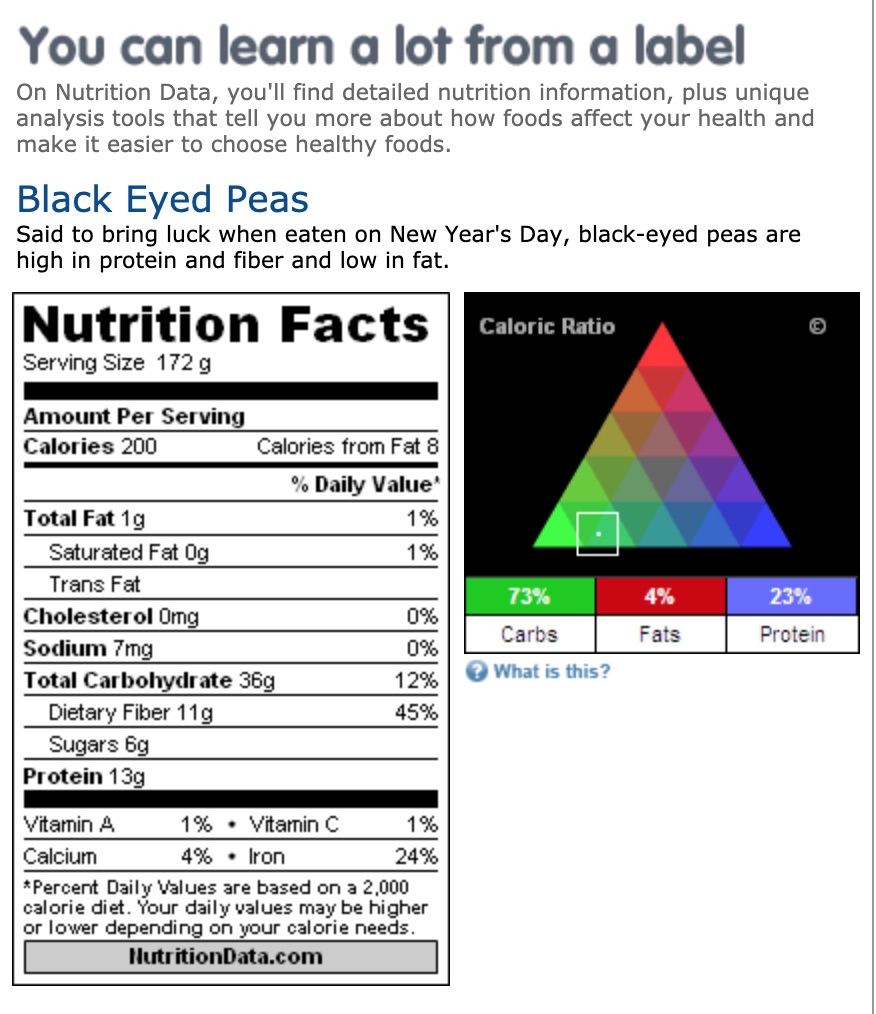
  • There is no dearth of controversy about what you should be eating for optimum health. Plant-based diets are becoming more popular and I have yet to see any smoothie recipes with meat in them. If you use yogurt, however, your smoothie won’t quality as vegan food since yogurt is made from cow’s milk. My goto site for checking the nutritional content of any food is NutritionData.self.Com. You can have it analyze a meal or any single ingredient. If you are looking to add or avoid something in your diet this site will help.

Your Blender

Your Blender

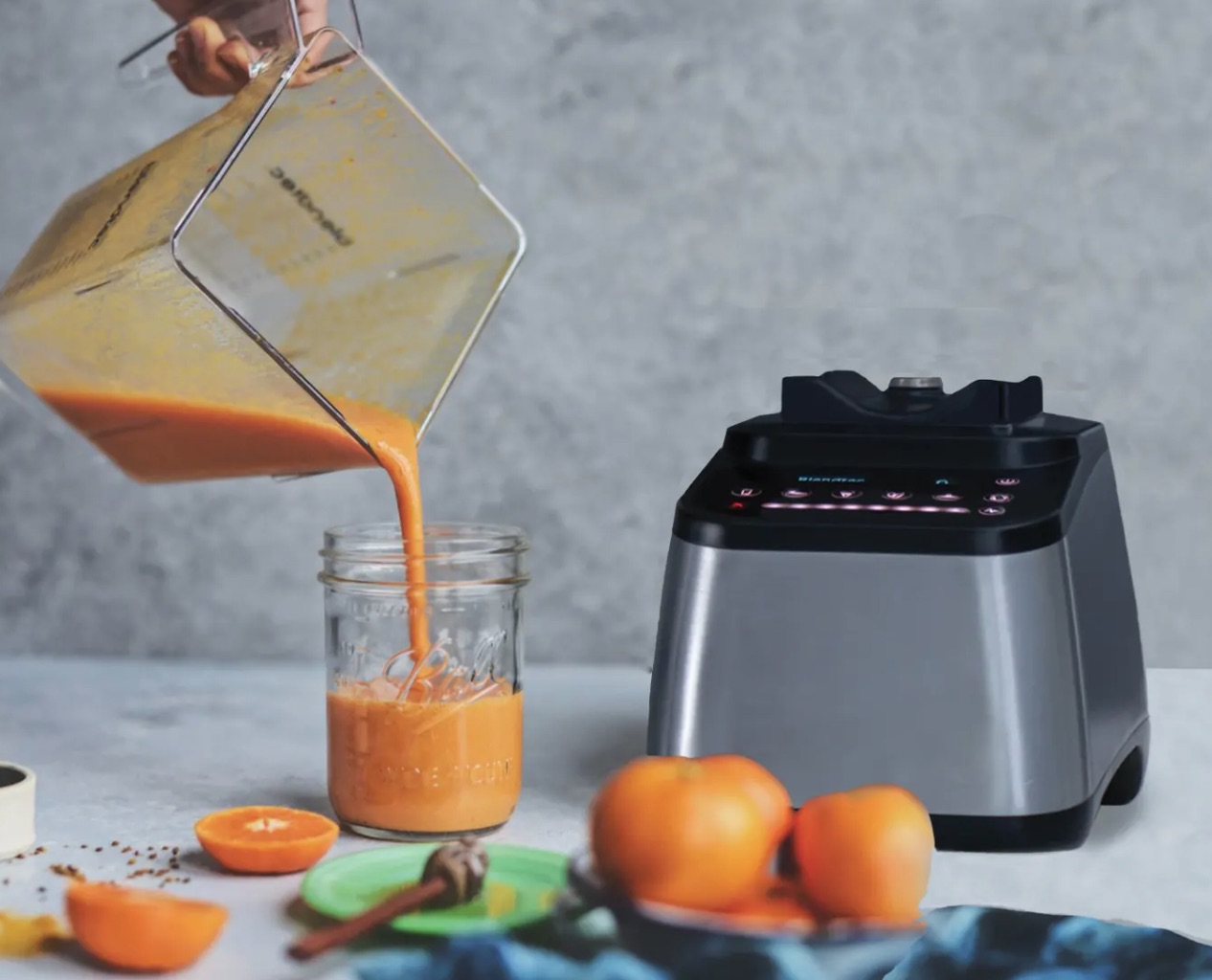
  • If you have an inexpensive blender you can still make smoothies. Just don’t expect it to do as good a job as a more expensive model. It will probably have a problem if you try to put in ice cubes or frozen fruit. When my wife was diagnosed with ALS in 2006, I bought a Blendtec blender as it was powerful enough to blend any food and turn ice cubes into snow. They have competition in the high-end blender market, but I have been extremely satisfied with mine. I had a warranty issue and they made good on it with no problems. If you want a powerful blender they start around $300.
  • There are a number of funny videos on YouTube where Blendtec demonstrates the power of their blender by blending none food items. Here is one where it blends an iPhone. In addition to the smoothie button, it also has buttons for ice cream, frozen yogurt, milkshakes, soups, syrups, fondues, sauces and dips, dressings, batters, and whole juice. I feel like it is smarter than I am, which is a good thing. (I am not being compensated by Blendtec for this post.)

One Sample Recipe

  • As you gain experience you will know how much stuff to add to the blender and how much liquid to add. Blenders have volume marks on the side. If you want a 12 oz. drink, fill it to the 12 oz. mark. (duh) If you make too much you can keep the leftovers to start tomorrow’s batch. If I were to make one now based on what I have, here is what I would throw-in.
  • One serving of yogurt, about half a cup. (I seldom measure anything.)
    Three medium-size strawberries stem included – Think of it as a green leafy vegetable. A decent blender can make them disappear.
    Two hand fulls of blueberries (the ratio of blueberries can impact the color of the finished product. The more you use the less appealing the color might be.)
    One tablespoon of crushed flax seeds (for your omega-3 fatty acids)
    One half of a medium-sized orange. I put the other half in my strawberry box for the next day.
    Enough juice of the day to just cover the above ingredients. (Cranberry? Be sure to get real juice and not some product that contains high fructose corn syrup.)

  • Your blender should have a smoothie setting so put on the lid, hold on to it, consider using ear protection (I do), and let er rip. Smart blenders know when to turn off. From here on it’s trial and error. I have made some I like better than others, but I haven’t made one yet I didn’t drink. Let me know how it goes and be creative.
  • Greger, Michael, and Stone, Gene, 2015. How Not to Die: Discover the Foods Scientifically Proven to Prevent and Reverse Disease, Flatiron Books: New York, NY.
Share this:
Share this page via Email Share this page via Stumble Upon Share this page via Digg this Share this page via Facebook Share this page via Twitter Share this page via Google Plus

The 1st Dr. Doug Green Free Education Resource Winners

Tuesday, September 10th, 2019

Dr Doug's Winners
I’ll be in Italy for the next 12 days. I’m not sure how many posts I will do while I’m gone so here is a rich post you can use for professional development in the meantime. These are the first winners of my Free Resources for Busy Educators and Parents Award. Congratulations! These sources will keep you busy and learning until I’m back on 9/24/2019. If you think I left a site out that belongs send me an email at dgreen@stny.rr.com. Thanks and chio.

Teachthought on Twitter
Teachthought.Com – TeachThought is an idea and brand dedicated to innovation in K-12 education. This is pursued by growing teaching through thought leadership, professional development, resource curation, curriculum development, podcast publishing, and collaboration with organizations around the world. You could and should spend a lot of time here. @TeachThought

Mindshit on Twitter
KQED News – Mindshift – MindShift explores the future of learning in all its dimensions. They examine how learning is being affected by technology, discoveries about the brain, poverty, inequities, mindfulness, agency, social and emotional learning, assessments, game-based learning, and music. They report on shifts in how educators teach as they apply innovative ideas. @MindShiftKQED

Edutopia on Twitter
edutopia – George Lucas started this Foundation which is dedicated to transforming K-12 education so that all students can acquire and effectively apply the knowledge, attitudes, and skills necessary to thrive in their studies, careers, and adult lives. @edutopia

EdSurge on Twitter
EdSurge – Reports on the Future of Learning – EdSurge delivers insights and connects those exploring how technology can support equitable opportunities for all learners. @EdSurge

Social Media 2 Day on Twitter
Social Media Today offers news and a space to share, learn, and network with other digital marketing professionals from around the world. Anyone managing a school or district social media presence should spend time here on a regular bases. @socialmedia2day

Cult of Pedagogy on Twitter
Cult of Pedagogy is run by a team of people committed to making you more awesome in the classroom. Jennifer Gonzalez leads a team of educators that consistently gives high-quality resources. @cultofpedagogy

Getting Smart on Twitter
Getting Smart – This team of ten, lead by Tom Vander Ark, are solution designers. With backgrounds as educators, school administrators, business executives, and nonprofit leaders, our team has extensive experience in organization management, communication, and sales. @Getting_Smart

Richard Byrne on Twitter
Free Technology For Teachers – This is Richard Byrne’s blog, where he posts daily. He pioneered 1:1 education as a social studies teacher and now is an international speaker and multiple award winner. On this group he appears to be the only lone ranger. @rmbyrne

Share this:
Share this page via Email Share this page via Stumble Upon Share this page via Digg this Share this page via Facebook Share this page via Twitter Share this page via Google Plus