Archive for the ‘What can Dr. Doug do for you?’ Category

Classroom Design Science / Create a Comedic Classroom / Chemical Reactions That Changed History

Friday, November 3rd, 2023

Free Resources for Busy Parents and Educators Who Don’t Have as Much Time to Read and Surf as I Do with Fresh Content Every Weekday and post around 8:00 am Eastern US time.

The Twitter names next to each link belong to the authors, publications, and the people who bring them to my attention.
Be sure to try the bottom right translate button for your favorite language or one you are trying to learn. If you don’t see it, check your adblocking software
Classroom
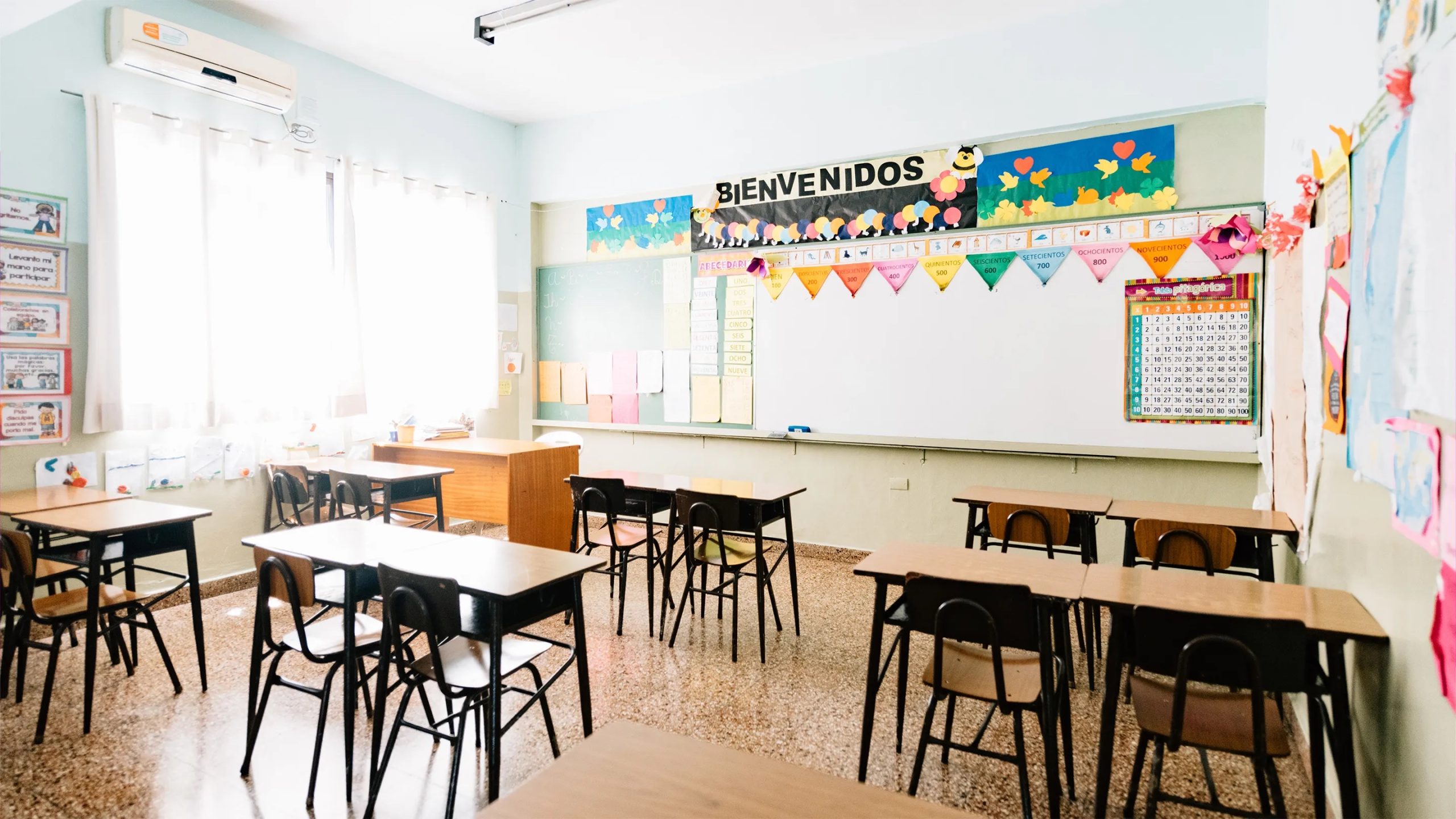
The Science of Classroom Design – Here is a comprehensive, all-in, research-based look at the design of effective learning spaces. @YoukiTerada @smerrill777 @edutopia

Classrom
Four ways to create a comedic classroom – Help students learn by applying improv comedy principles in your classroom. Nick Joe via @eschoolnews

Six Chemical Reactions That Changed History – This is a great chemistry lesson. You can also set up subtitles in just about any language and slow down the pace. This makes it also great for language learning. @okaytobesmart @DrJoeHanson @PBSDS
YouTube

Social Media/Artificial Intelligence

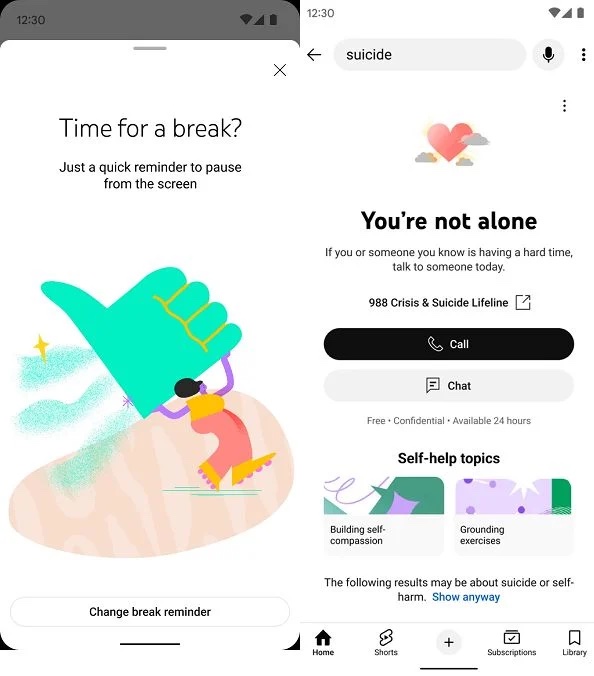
YouTube Adds New Safeguards and Alerts for Young Users. YouTube’s rolling out some new updates to protect younger users from overexposure to potentially harmful content, while it’s also expanding on its prompts to youngsters to take a break from the app. @socialmedia2day @adhutchinson
WIRED

Learning

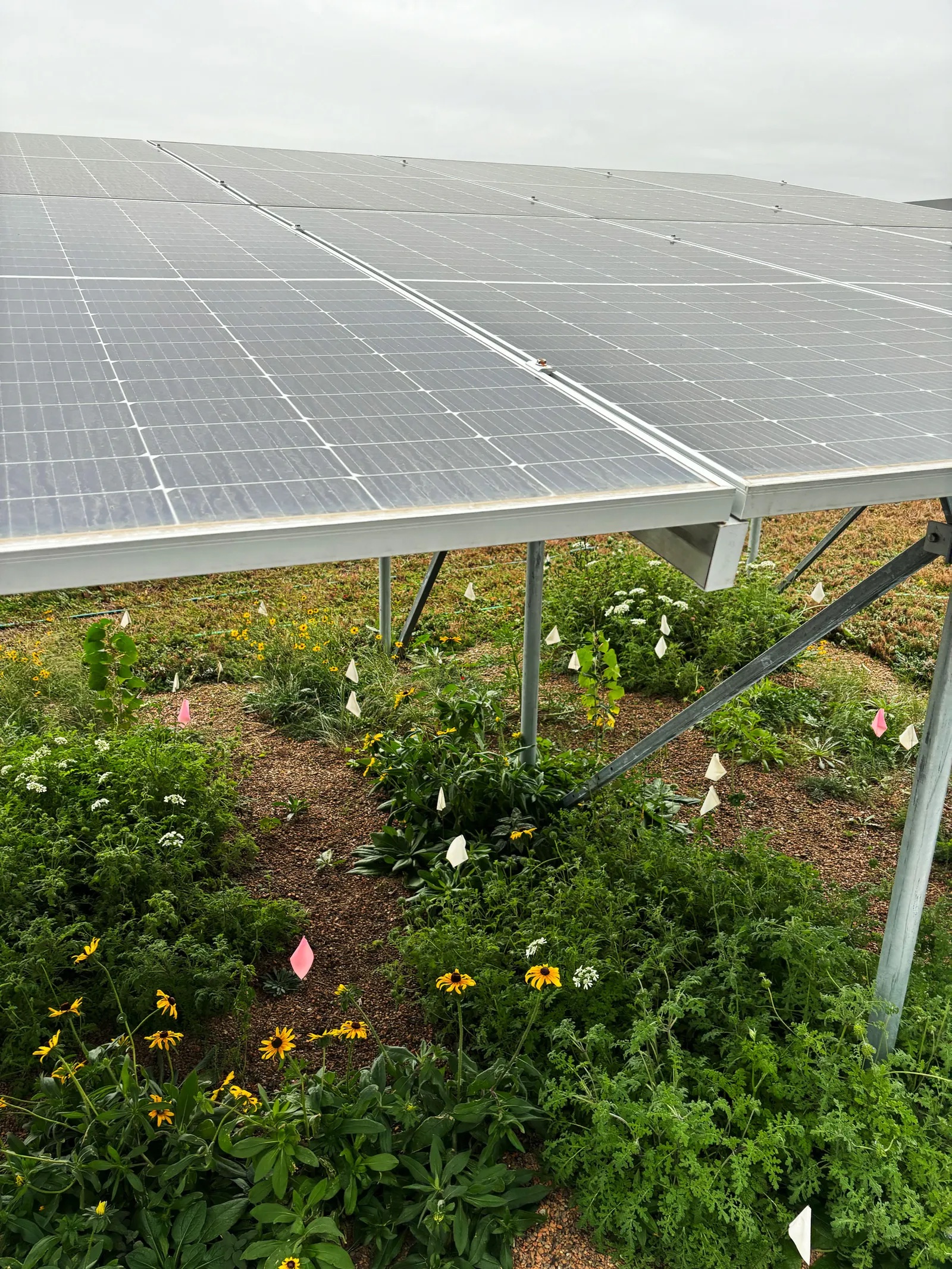
The Ultra-Efficient Farm of the Future Is in the Sky. Take a tour of a rooftop laboratory where scientists show how growing crops under solar panels can produce both food and clean energy. @mrMattSimon @WIRED
Mindset

Leadership/Parenting

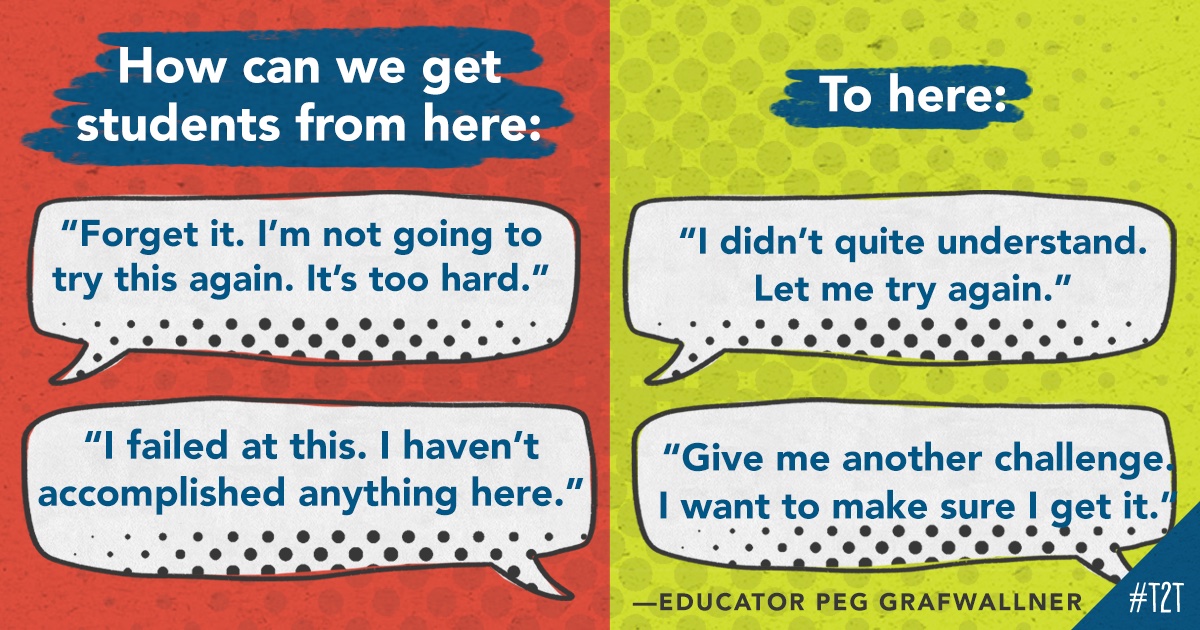
Three Language Shifts That Promote Self-Belief for Students – When students feel like they’re struggling to solve a math problem or draft an essay, we educators know that can actually be a good thing. @PegGrafwallner @teacher2teacher

Inspirational/Funny Tweets
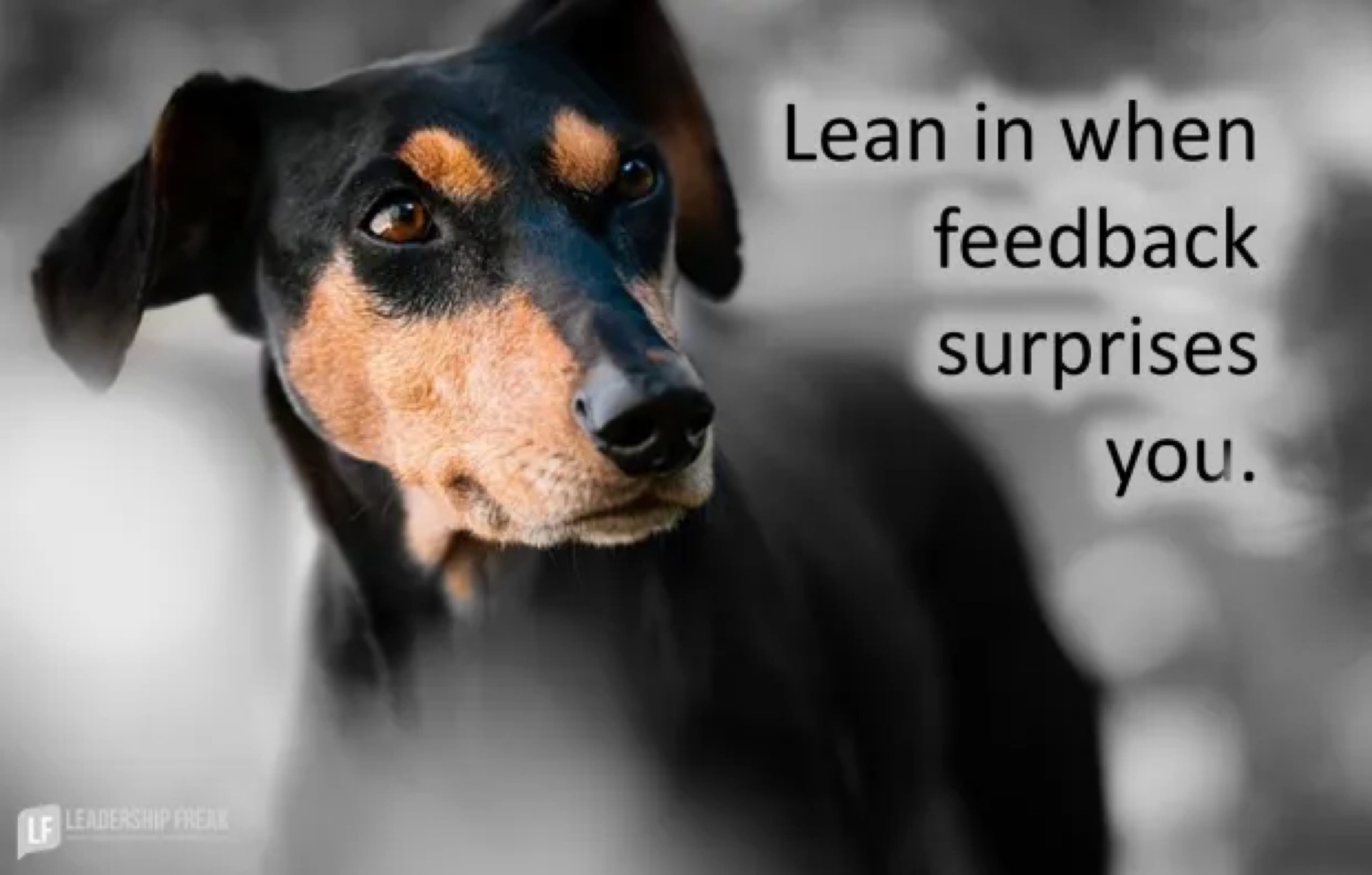
Feedback@Leadershipfreak

Humor, Music, Cool Stuff

Moneytalks – Steve’n’Seagulls (LIVE) – This is a funny way to perform in a limo. It’s also a nice AC/DC cover by a string band. @SeagullsBand
Jooble

Recent Book Summaries & My Podcasts

Influence
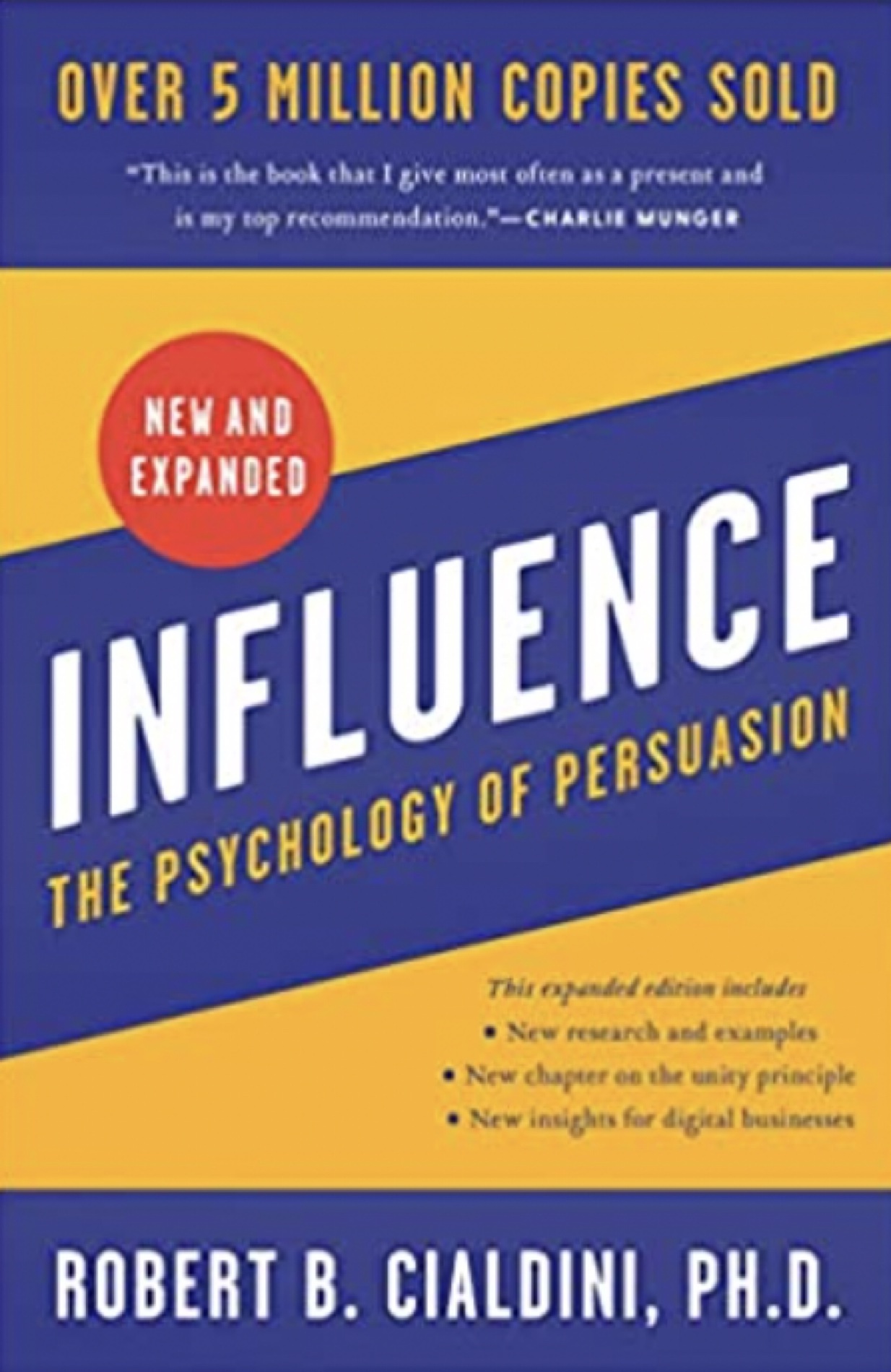
Influence: The Psychology of Persuasion by Robert Cialdini@RobertCialdini

Valedictorians at the Gate: Standing Out, Getting In, and Staying Sane While Applying to College by Becky Munsterer Sabky

Plays Well With Others: The Surprising Science Behind Why Everything You Know About Relationships Is (Mostly) Wrongby Eric Barker

How to Raise Kids Who Aren’t Assholes: Science-Based Strategies for Better Parenting from Tots to Teens by Melinda Wenner Moyer

My Post-Pandemic Teaching and Learning Observations by Dr. Doug Green Times 10 Publications

The Power of Regret: How Looking Backward Moves Us Forward by Daniel Pink

Limitless Mind: Learn, Lead, and Live Without Barriers by Jo Boaler

The Future of Smart: How Our Education System Needs to Change to Help All Young People Thrive by Ulcca Joshi Hansen

Cup of Joe
Listen to Dr. Doug on the “Cup of Joe” podcast. I recorded it last week. On it, I talk about the many good things I have seen in schools doing hybrid teaching. @PodcastCupOfJoe @DrDougGreen @BrainAwakes

Back to School COVID Myths – by Dr Doug Green @mssackstein

This is my podcast on the Jabbedu Network. Please consider listening and buying my book Teaching Isn’t Rocket Science, It’s Way More Complex. Here’s a free executive summary. @jabbedu @DrDougGreen

Boys and Sex: Young Men on Hookups, Love, Porn, Consent, and Navigating the New Masculinity by Peggy Orenstein

Emotional Intelligence 2.0 by Travis Bradberry & Jean Greaves (the book can be found here.

Share this:
Share this page via Email Share this page via Stumble Upon Share this page via Digg this Share this page via Facebook Share this page via Twitter Share this page via Google Plus

Reading Science / Remote Instruction: Boon, Bust, or the Future / HPV Vaccine for Boys

Tuesday, October 24th, 2023

Free Resources for Busy Parents and Educators Who Don’t Have as Much Time to Read and Surf as I Do with Fresh Content Every Weekday and post around 8:00 am Eastern US time.

The Twitter names next to each link belong to the authors, publications, and the people who bring them to my attention.
Be sure to try the bottom right translate button for your favorite language or one you are trying to learn. If you don’t see it, check your adblocking software

Reading
Teacher helps implement the science of reading ‘one bite at a time.’ Indiana is in the midst of a statewide push to train more teachers in the science of reading with the goal of improving literacy rates. @eschoolnews @Chalkbeat

COVID
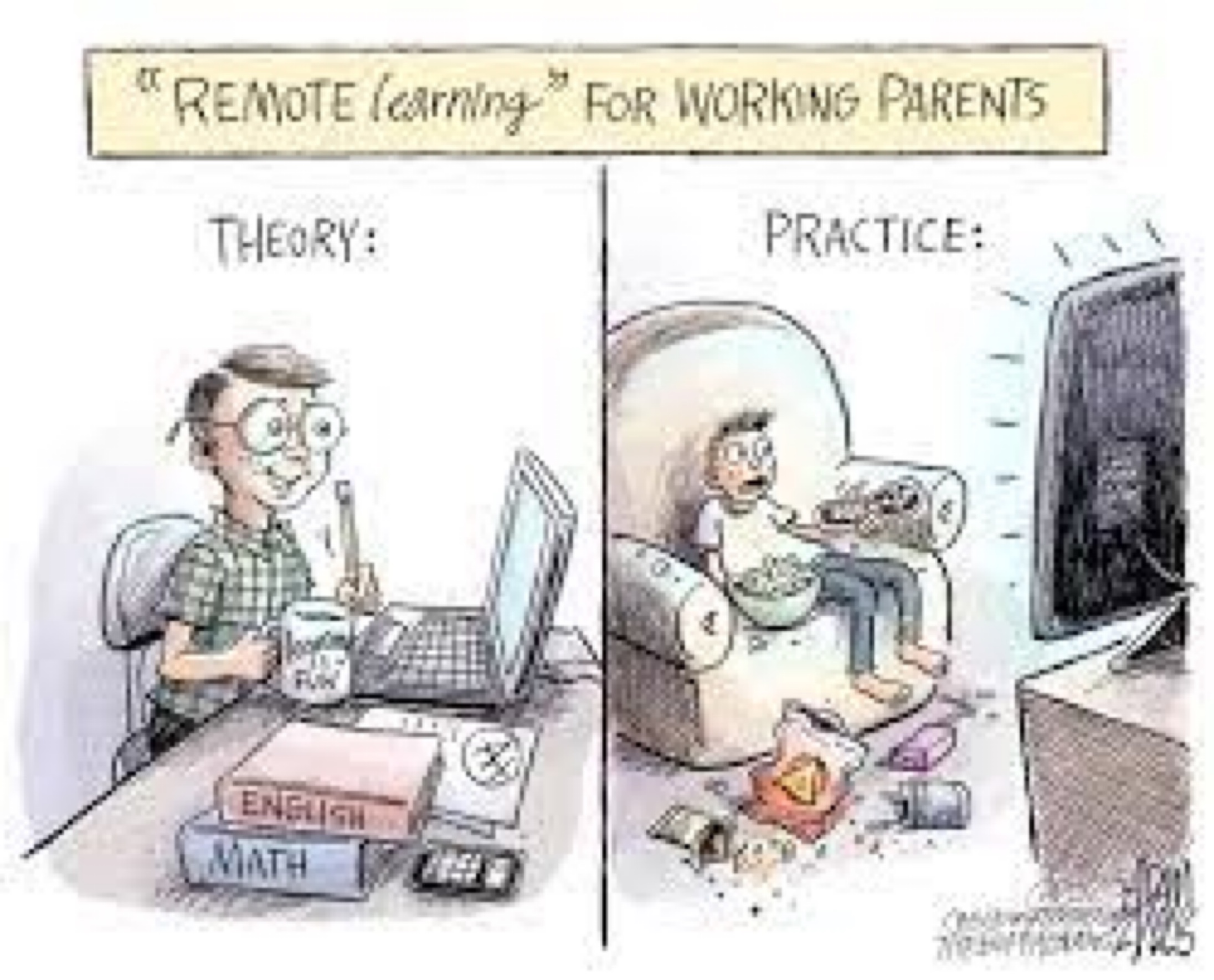
Covid School Closures and Reliance on Remote Instruction: Boon, Bust, or a Peek into the Future? The recent UNESCO report on the widespread use of computers during school closures across the globe takes a position seldom heard in the U.S. @LarryCuban

Vaccine
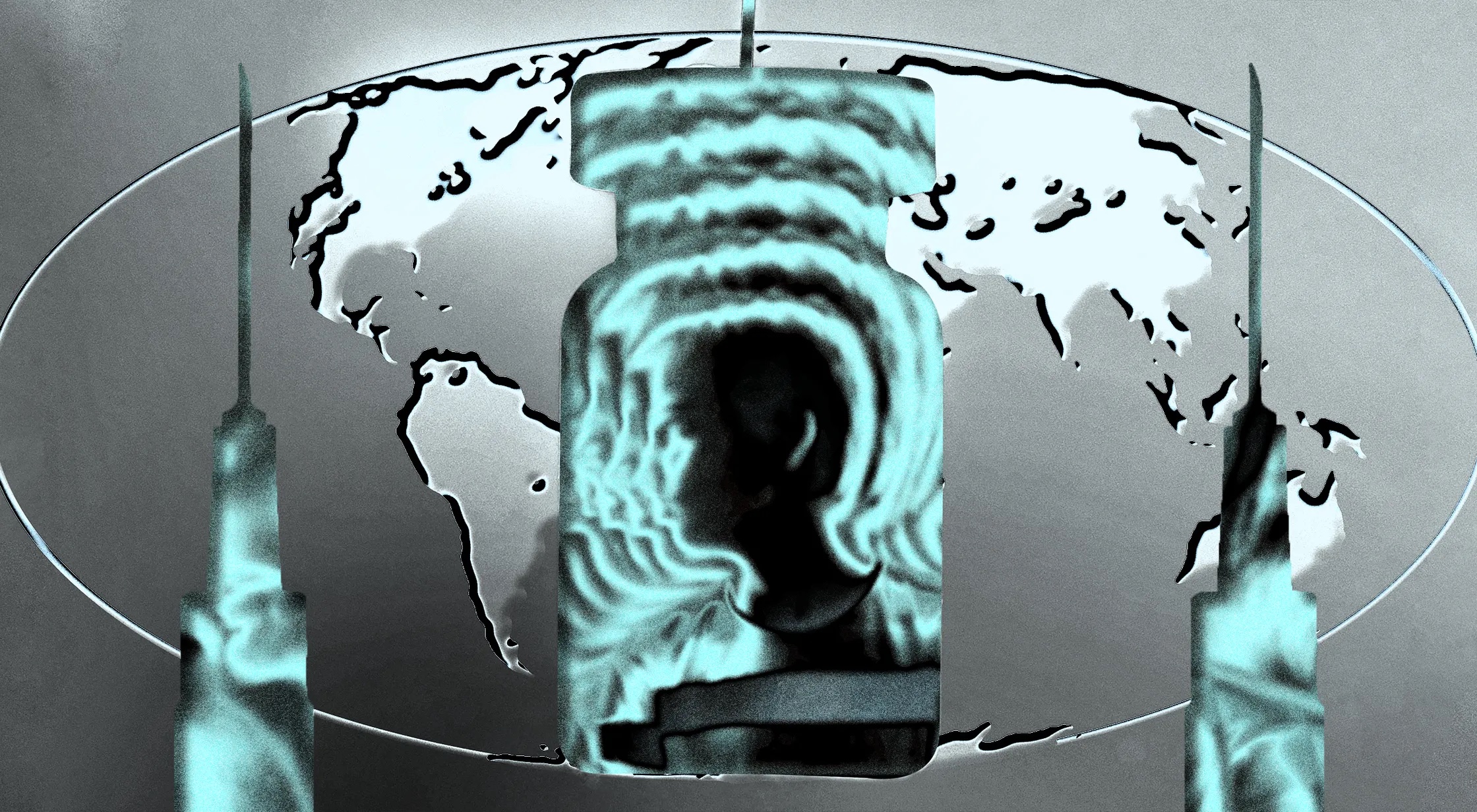
This Vaccine Protects Against Cancer—but Not Enough Boys Are Getting It. The HPV vaccine can effectively prevent a range of cancers if administered at the right age. But boys still can’t access it in most countries. @gracefbrowne @WIRED

Google

Social Media/Artificial Intelligence

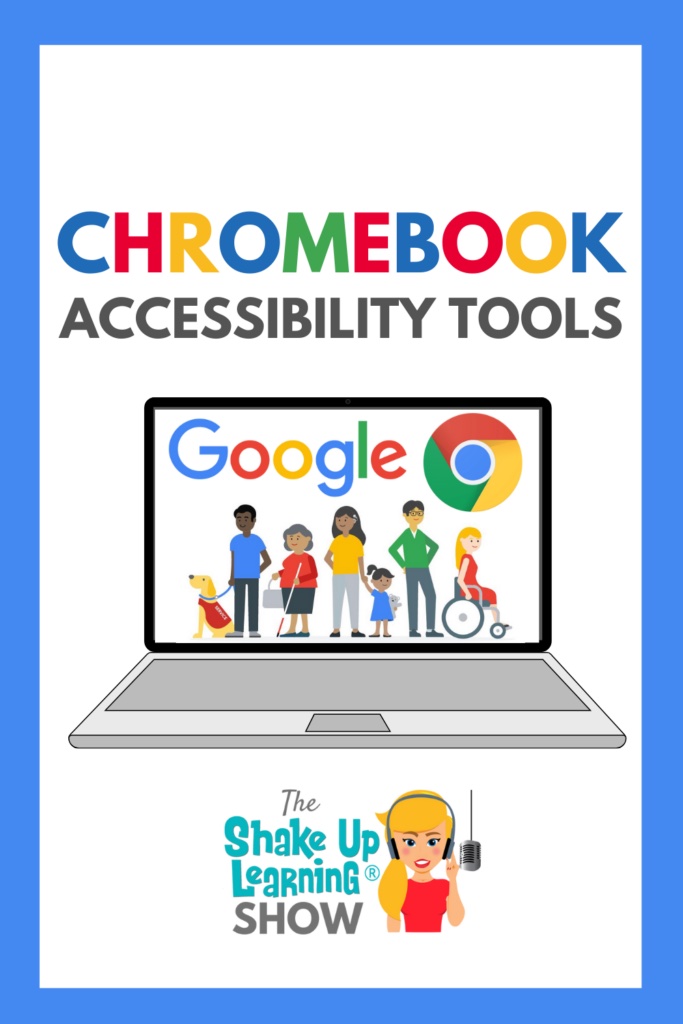
Chromebook Accessibility Tools for ALL Learners – Discover the art of tailoring Chromebook accessibility tools to your needs. @specialtechie @ShakeUpLearning

Viagara

Learning

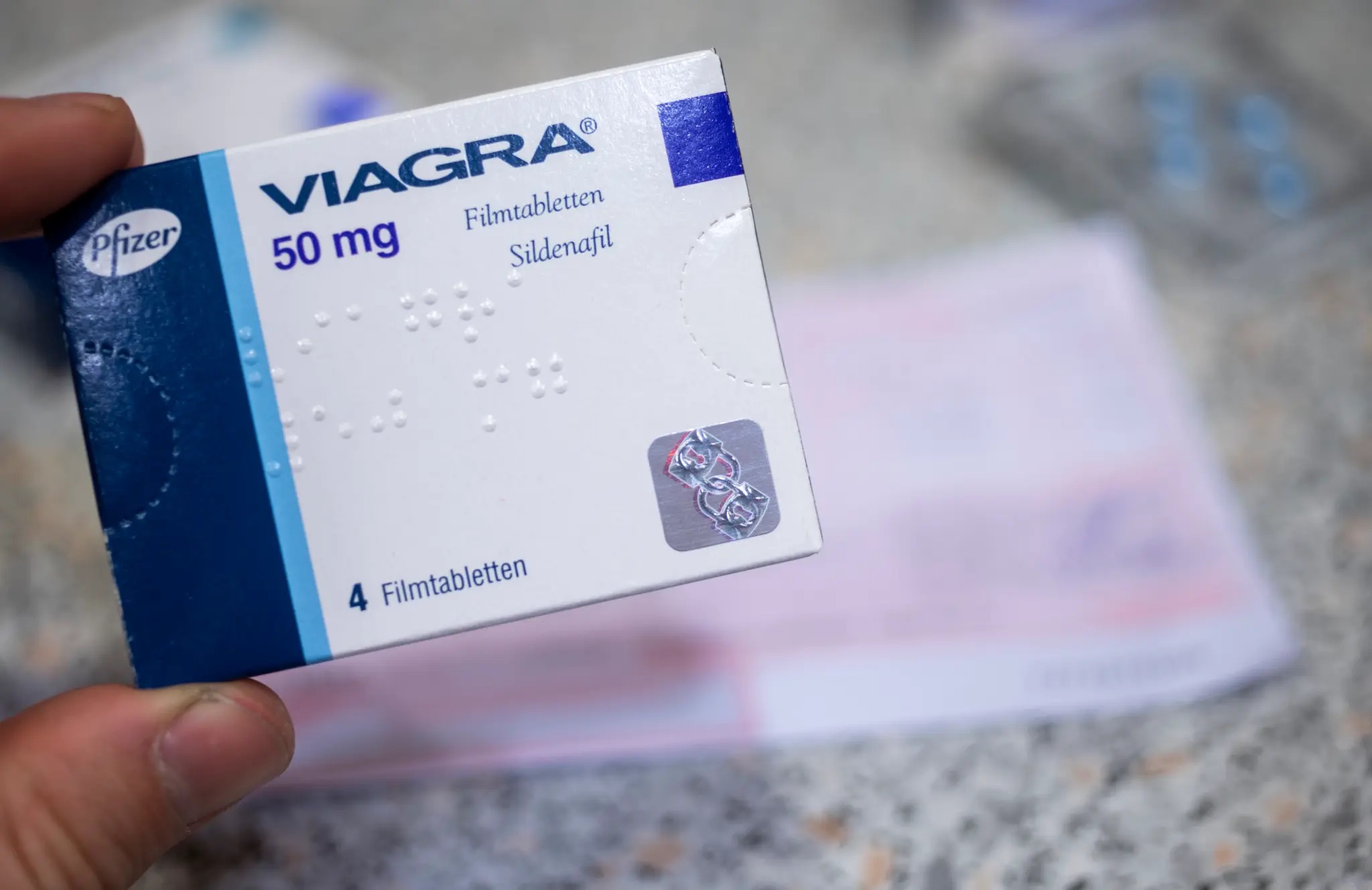
Viagra could slash risk of Alzheimer’s disease by 60%. Is it time to ask your doctor about this? Also, check on any side effects. @SteinbergBrooke @nypost

STEM

Leadership/Parenting

Three best practices to create a STEM-focused school – An educator shares tips and strategies to help students build STEM skills for career and life. @CLF_CLF

Inspirational/Funny Tweets

Gapingvoid@Gapingvoid

Humor, Music, Cool Stuff

“Cliffs of Dover”-(Eric Johnson) Acoustic Bluegrass Version By Aaron Jaxon – This is insane. Here is the original. @aaronjaxonband @EJUpClose
  

Jooble

Recent Book Summaries & My Podcasts


Influence
Influence: The Psychology of Persuasion by Robert Cialdini@RobertCialdini

Valedictorians at the Gate: Standing Out, Getting In, and Staying Sane While Applying to College by Becky Munsterer Sabky

Plays Well With Others: The Surprising Science Behind Why Everything You Know About Relationships Is (Mostly) Wrongby Eric Barker

How to Raise Kids Who Aren’t Assholes: Science-Based Strategies for Better Parenting from Tots to Teens by Melinda Wenner Moyer

My Post-Pandemic Teaching and Learning Observations by Dr. Doug Green Times 10 Publications

The Power of Regret: How Looking Backward Moves Us Forward by Daniel Pink

Limitless Mind: Learn, Lead, and Live Without Barriers by Jo Boaler 

The Future of Smart: How Our Education System Needs to Change to Help All Young People Thrive by Ulcca Joshi Hansen

Cup of Joe
Listen to Dr. Doug on the “Cup of Joe” podcast. I recorded it last week. On it, I talk about the many good things I have seen in schools doing hybrid teaching. @PodcastCupOfJoe @DrDougGreen @BrainAwakes

Back to School COVID Myths – by Dr Doug Green @mssackstein

This is my podcast on the Jabbedu Network. Please consider listening and buying my book Teaching Isn’t Rocket Science, It’s Way More Complex. Here’s a free executive summary. @jabbedu @DrDougGreen

Boys and Sex: Young Men on Hookups, Love, Porn, Consent, and Navigating the New Masculinity by Peggy Orenstein

Emotional Intelligence 2.0 by Travis Bradberry & Jean Greaves (the book can be found here.

Share this:
Share this page via Email Share this page via Stumble Upon Share this page via Digg this Share this page via Facebook Share this page via Twitter Share this page via Google Plus

High-Stakes Standardized Testing in Schools: The Pros and Cons – Written by Google’s Bard

Tuesday, September 12th, 2023

Bard
I decided is was time to try artificial intelligence for article writing so I took Google’s Bard for a spin. I gave it the prompt “Write a 1000 word article on the pluses and minuses of high-stakes standardized testing in schools” and a few seconds later it offered the article below. See what you think. Can you tell it was written by AI and not a human educator like myself? If I were working the education beat for most media outlets, I would be a bit nervous. I also asked for a “a short story in Swedish about a day at the beach.” What I got was a valuable lesson for someone like myself who has intermediate Swedish skills. Share with foreign language teachers you know. If you want to try it yourself just click here.

High-Stakes Standardized Testing in Schools: The Pros and Cons by Google’s Bard, prompt by Dr. Doug Green

Standardized testing has been a part of American education for over a century. In recent decades, however, the use of standardized tests has become increasingly widespread, with many states and school districts now using them to make high-stakes decisions about student promotion, teacher evaluation, and school funding.

High-stakes standardized tests are those that have significant consequences for students, teachers, or schools. For example, a student who fails a high-stakes test may be held back a grade, a teacher whose students perform poorly on a high-stakes test may be fired, or a school that does not meet its performance goals on a high-stakes test may lose funding.

There are both pros and cons to using high-stakes standardized testing in schools.

Pros of High-Stakes Standardized Testing

Accountability: High-stakes standardized tests can help to hold schools and teachers accountable for student learning. By requiring schools to demonstrate that their students are meeting certain standards, high-stakes tests can help to ensure that all students have access to a quality education.
Data for improvement: High-stakes standardized tests can provide valuable data that can be used to improve instruction and student learning. For example, test scores can be used to identify areas where students are struggling and to target interventions.
Fairness: High-stakes standardized tests can help to ensure that all students are treated fairly, regardless of their background or circumstances. By giving all students the same test, high-stakes tests can help to level the playing field.
Motivation: High-stakes standardized tests can motivate students to work hard and achieve their goals. The prospect of failing a high-stakes test can be a powerful incentive for students to study and do their best.

Cons of High-Stakes Standardized Testing

Overemphasis on test scores: When high-stakes tests are used to make important decisions about students, teachers, or schools, there is a tendency to overemphasize test scores. This can lead to a narrowing of the curriculum and a focus on test preparation at the expense of other important learning goals.
Inaccuracy: High-stakes standardized tests are not perfect measures of student learning. They can be affected by a variety of factors, such as test anxiety, fatigue, and socioeconomic status. As a result, high-stakes test scores can sometimes be inaccurate and misleading.
Disadvantaged students: High-stakes standardized tests can disadvantage students from disadvantaged backgrounds. These students may have less access to resources and support, and they may be more likely to experience test anxiety. As a result, they may score lower on high-stakes tests than their more privileged peers.
Stress and anxiety: High-stakes standardized tests can cause stress and anxiety for students, teachers, and parents. This stress can have a negative impact on learning and well-being.

Conclusion

The use of high-stakes standardized testing in schools is a complex issue with both pros and cons. There is no easy answer to the question of whether or not high-stakes testing is a good thing. Ultimately, the decision of whether or not to use high-stakes standardized testing is a political one that must be made by each state and school district.

In recent years, there has been a growing movement to reduce the reliance on high-stakes standardized testing. Some states have eliminated high-stakes testing altogether, while others have moved to reduce the stakes associated with testing. This movement is based on the belief that high-stakes testing is not an effective way to improve education.

The debate over high-stakes standardized testing is likely to continue for many years to come. There is no easy solution to this complex issue. However, it is important to have a thoughtful and informed discussion about the pros and cons of high-stakes testing so that we can make the best decisions for our students.

Share this:
Share this page via Email Share this page via Stumble Upon Share this page via Digg this Share this page via Facebook Share this page via Twitter Share this page via Google Plus

Gaining Confidence After a Setback by Emily Graham

Tuesday, May 16th, 2023

Confidence
Image via Pexels

Gaining Confidence After a Setback

offers great advice for everyone who has experienced a setback of any kind. Even if you don’t feel like you have been setback by things like the pandemic, this also for you. Thanks, Emily.

The COVID-19 pandemic hit hard all around the world. You may have lost your job or been furloughed. Your kids’ schools likely closed, leaving you to juggle work and child care. Maybe you’ve even been sick with the virus yourself. All this can affect your mental health and leave you feeling overwhelmed, anxious, and down. You can rebuild your confidence by taking small steps each day. Here are some tips from Dr. Doug Green to get you started!

Get Moving

Daily exercise is a great way to reduce stress and improve your mood. Taking a brisk walk around the block or working out at home can help you feel better physically and mentally. When you look and feel good, your confidence will return.

Set Small Goals

After a setback, it’s essential to set small, achievable goals. Don’t do too much at once, or you’ll get overwhelmed. Start with something simple, such as trying a new recipe for dinner or reading one chapter of a book each day. As you accomplish your goals, you’ll feel better about yourself and your ability to handle anything that comes your way.

Take Control of Your Finances

The pandemic wreaked havoc on many people’s finances. If you’re still struggling to make ends meet now that things are slowly returning to normal, you can take steps to get back on track. Cutting back on spending and creating a budget can help you get your finances under control. Refinancing your home can save you money monthly on your mortgage payment or free up cash for necessary expenses.

Change Careers and Open a Business

If you’re not happy with your current career, now may be the time to make a change. Making a career change can be scary, but it can also be gratifying. If you’ve always wanted to start your own business, plenty of resources are available to help you get started.

Start with a business plan to know what steps you need to take to get your business off the ground. The plan should include your business goals, a description of your products or services, funding, and target market. You’ll also need to research the competition and find out what makes your business unique. This guide on how to start a company can help you get the ball rolling.

It’s also worth taking a moment to think about conflict resolution in the office, since many people could still be on edge after the emotional turmoil brought about by the pandemic. The last thing you want to do after spending all this time changing careers or starting your own business is see that hard work thwarted by petty grievances.

Going Back to School

Returning to school after a personal or professional setback can be a daunting prospect, but it can also be an empowering and transformative experience. Pursuing a bachelor’s degree, for example, can not only lead to increased job opportunities and earning potential but also provide a sense of accomplishment and personal fulfillment. With the availability of online education, going back to school has never been more accessible or convenient. Online learning provides flexibility for those juggling work, family, or personal commitments, allowing you to study at your own pace and from anywhere in the world. Plus, with a wide range of online courses and programs available, you can tailor your education to your specific needs and interests. Take the first step towards a brighter future and consider going back to school online for your bachelor’s degree.

Share on Social Media

Sharing your positive experiences and accomplishments on social media can help you regain confidence if you’re feeling down. You can also use social media to connect with others who are going through similar experiences. Seeing that others are interested in your actions can make you feel good about yourself.

Rebuild Your Life After the Pandemic

The pandemic was tough on everyone. If you’ve lost your confidence, you can get it back with the right plan. Begin a fitness routine, start your own business, brush up on your conflict resolution skills, and share your successes on social media to inspire others!

Emily Graham
Emily is the creator of MightyMoms.net. She believes being a mom is one of the hardest jobs around and wanted to create a support system for moms from all walks of life. On her site, she offers a wide range of info tailored for busy moms — from how to reduce stress to creative ways to spend time together as a family. You can email her at emilygraham@mightymoms.net. She lives in Arizona.

Share this:
Share this page via Email Share this page via Stumble Upon Share this page via Digg this Share this page via Facebook Share this page via Twitter Share this page via Google Plus

How to Help Students Develop Emotional Intelligence by Amanda Winstead

Thursday, January 19th, 2023

Emotional Intelligence
Image Source: Pixabay
How to Help Students Develop Emotional Intelligence by Amanda Winstead< promotes the idea that all teachers can help students become more emotionally intelligent (EI) and teach their specific content at the same time. Since EI may not be taught at home, it’s vital that all school personal look for opportunities to help students with this vital skill.

Students can learn a lot in an educational setting. For example, they can develop technical skills like math or computer literacy and learn about language, writing, world history, and health. But what might be more important is the learning that takes place without of books.

Students can learn about themselves and grow personally in the classroom too. There are so many opportunities to develop emotional intelligence (EI), in particular. Something so critical in having healthy relationships and a thriving future. Before we get into the importance of developing EI in the classroom and tips for helping your students do so, let’s define EI properly.

What Is Emotional Intelligence?

Very Well Mind defines emotional intelligence as “the ability to perceive, interpret, demonstrate, control, evaluate, and use emotions to communicate with and relate to others effectively and constructively.”

You could add to this definition by being aware, in control of, and able to communicate your emotions. Some examples of what an emotionally intelligent person does are:

Actively listens
Offers forgiveness
Practices self-control
Shows empathy to others
Showers themself with love
Takes ownership of their mistakes
Understands their strengths and weaknesses

Why Is It Critical to Develop EI in the Classroom?

Helping students develop EI in the classroom is critical because they spend a lot of time at school. And there are so many situations that arise in the classroom that are great opportunities for a lesson in EI. You can help them take advantage of each one.

Unfortunately, many students don’t have someone teaching them about EI at home. Their teachers, coaches, counselors, and other support persons outside the house may be the only people they can look to for that. Having education personnel on board to guide students through EI is crucial.

EI
Image Source: Pixabay

Strategies for Developing EI in the Classroom

EI can help students evolve and live productive lives now and in adulthood. The more people in their life that can teach them about their emotions, how to accept and process them, and do the same with others, the better. The following strategies will help you assist your students in better processing their emotions and developing EI.

Practice patience and empathy at all times. When you’re trying to teach students EI, the last thing you want to do is show them that you aren’t. Stay cool and positive at all times. More importantly, practice patience and empathy.

Patience and empathy are critical when working with kids. Unfortunately, they will sometimes do the most frustrating, confusing, and inappropriate things, especially if they don’t know how to process and communicate their emotions.

Getting frustrated quickly, yelling at them, and punishing them will only push them away. And you’ll never have a chance to get through to them then. Instead, stay calm and have a conversation with them. See things from their point of view and be patient enough to let the conversation unfold without force.

Actively listen

Aside from patience and empathy, actively listening to your students is crucial, too. To perceive, interpret, demonstrate, control, evaluate, and use emotions to communicate with and relate to others, as Very Well Mind’s definition suggests, you must actively listen.

So, show your students how to do this by demonstrating it in every interaction. When they’re talking to you, listen without distraction and ask thoughtful follow-up questions for clarity. Leave your students feeling heard, and they’ll be on track to do it for others.

Help students work through their emotions

There are so many opportunities to teach EI at school that you won’t be able to be there for everyone. However, if you’re with a student and a situation arises that provokes emotion, do your best to help them navigate their feelings while they’re happening.

For example, let’s say a student gets into a verbal argument with another student. They’re visibly angry, and you know it’s an excellent time to teach them how to acknowledge their anger, process it, and move forward.

First, take the student to a quiet space or another room to help them recenter themself. When they’re a bit calmer, ask them to identify their emotions. Flesh out what they’re feeling and what prompted those feelings at the most comfortable pace for the student. Make sure you also let them know it’s okay to feel anger.

Then, offer coping mechanisms like breathing exercises, mindfulness practices, or journaling. You could even do “anger” worksheets with them to further the lesson on what anger is and how to best move through it.

It’s all about catching intense emotional experiences live and helping students through as many as possible.

Help students develop a better relationship with themselves. True EI requires self-awareness and self-management. You must understand your emotions, what triggers them, and the best way to cope with them based on who you are. Your students have to do the same. Help them develop self-awareness and self-management by encouraging them to have a better relationship with themself. You can do this by:

Encouraging confidence
Promoting individualism
Taking your students on field trips
Asking for their help on projects made for their skillset
Helping them work on their physical and mental health
Motivating them to join a sport or extracurricular activity
Opening the lines of communication so they can talk with you when they need to

All students can benefit from developing EI. Doing so will give them a chance for a flourishing future, healthy relationships, and unwavering love for themself. Do your part in helping them grow EI by implementing the strategies above.

Amanda Winstead

Amanda is a freelance writer out of Portland, focusing on many topics, including educational technology. Along with writing, she enjoys traveling, reading, working out, and going to concerts. If you want to follow her writing journey or even just say hi, you can find her on Twitter.

Share this:
Share this page via Email Share this page via Stumble Upon Share this page via Digg this Share this page via Facebook Share this page via Twitter Share this page via Google Plus