Archive for the ‘What can Dr. Doug do for you?’ Category

Medical Binder Printables to Keep Your Health Records Organized by Cristina Thorson

Sunday, November 7th, 2021

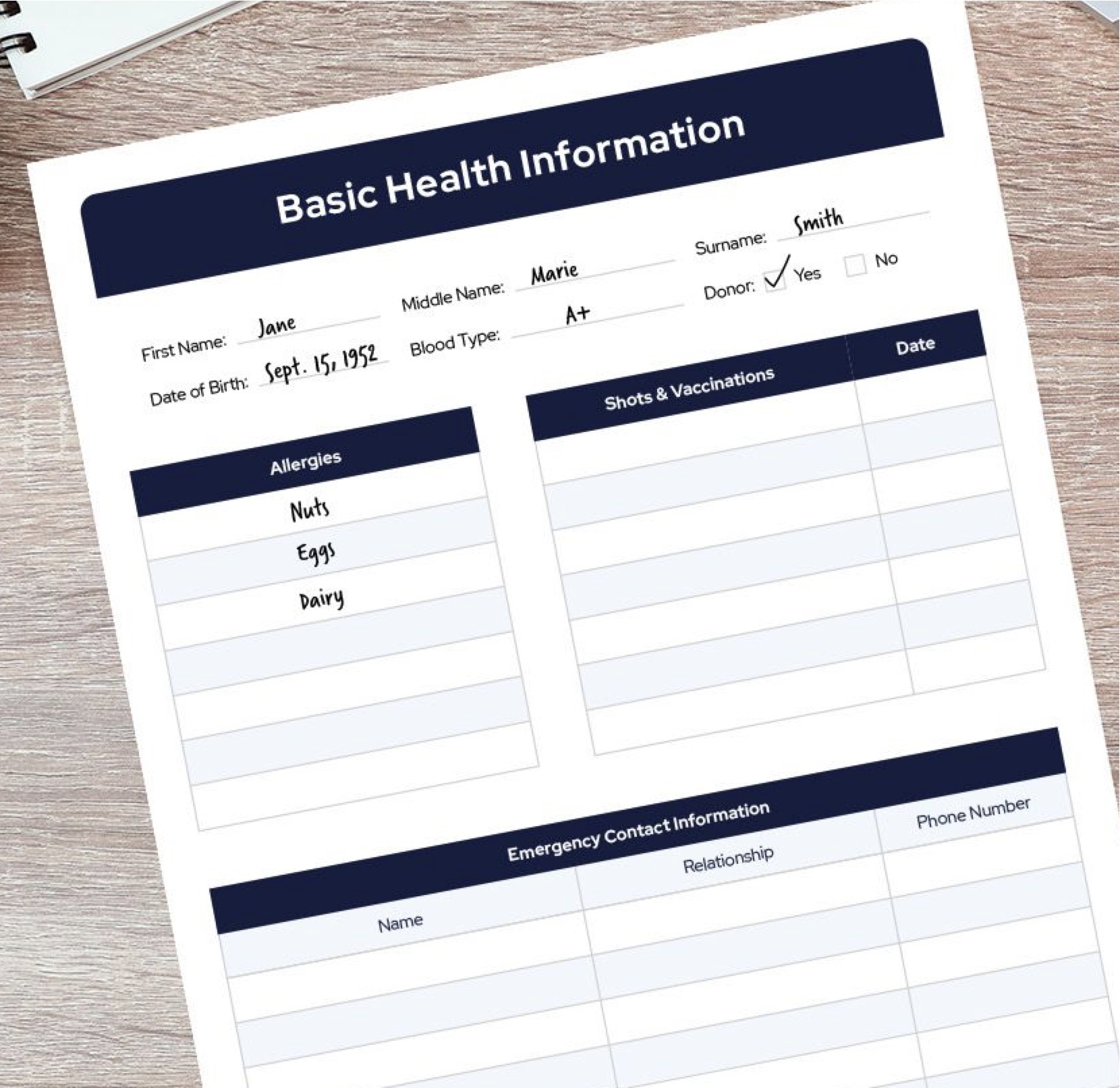
Basic Health Info
Medical Binder Printables to Keep Your Health Records Organized by Cristina Thorson offers forms you can use to keep track of your medical information so you can easily share it with your physicians rather than just talking about how you feel and neglecting what you can’t remember. Thanks, Cristina.

Introduction

  • Whether you’re suffering from a chronic condition, wanting to keep your health information in order, or are somewhere in between, keeping a medical binder on hand can be beneficial. Having a medical binder not only helps you stay more organized, but it can also act as the single source of truth in case of an emergency.
  • Thinking about possible “what-ifs” is never fun to do, but making sure you’re prepared for emergencies can make a worst-case scenario a little easier to manage. Use the medical binder printables to start putting together your own health binder. It might save your life one day.

Basic Health Information Sheet

  • On a basic health information sheet, you should include the standard information that you might need to receive medical treatment. Usually, when you go in for an appointment, the healthcare clinic will need to have this information on file before you receive treatment.
  • The information needed is your full name, emergency contact information, allergies, date of birth, blood type, and any immunization records. Keeping this information up to date and on file can save time if you decide to transfer doctors, or if you start going to a specialized healthcare professional.

Medication Tracker

  • According to WebMD, about half the American population takes an average of four prescription pills. Some medications have conflicting effects which can have deadly consequences. If you keep track of your own medications, it will make it easier for doctors to ensure that they won’t prescribe anything that will have adverse effects on your health.
  • Documenting your own medications can also help you and your doctor figure out what has worked in the past, and what hasn’t. It can help you avoid repeating medications, especially if you work with a new doctor or you haven’t been to a medical professional in a while.
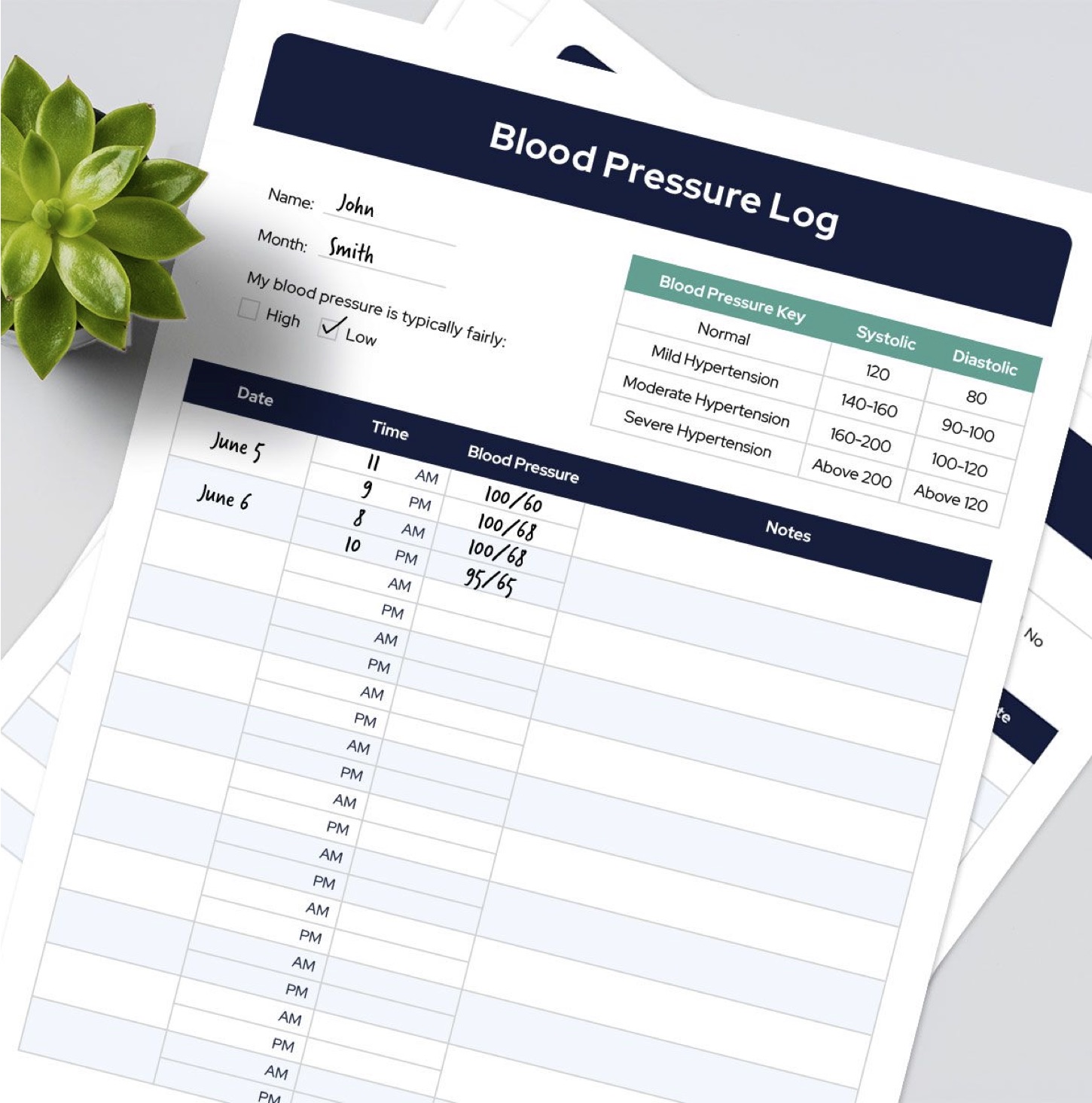
  • Keeping track of your blood pressure can save you a world of problems. Hypertension (or high blood pressure) has damaging effects over time, and many are unaware that they even have it. To record your own blood pressure, you should purchase a home blood pressure monitor.
  • It’s best to avoid caffeine and exercise at least 30 minutes before you measure, and try to measure at the same time every day. Self-monitoring is actually recommended by the American Heart Association for people with high blood pressure treatments. Even though home monitoring isn’t an adequate substitute for visits, it can be helpful when healthcare professionals are trying to gauge the effectiveness of their treatments.
  • Blood Pressure Log

  • It’s useful to be aware of your own medical conditions before a big life transition, like moving homes, leaving for college, or even planning for retirement. The temporary instability during these time periods may cause medical conditions to flare up. These changes may also influence your healthcare provider or the access to healthcare that you receive.
  • Start surveying the information in advance of these changes so you’re not overwhelmed during the transitionary period. Make sure your information is up-to-date and easily understood. Many use their smartwatches or their phones to log health information, but you could also try an alternative tracking method, like our printable sheets.
Cristina Thorson

  • Cristina is a part-time content writing intern at Siege and a full-time student at Boston University. She enjoys exploring new pockets of cities, culture, and cat websites (as well as alliterative expressions). In her spare time, she can be found reading books, commenting on movies, and writing anything from advertising copy to feminist satire.
Share this:
Share this page via Email Share this page via Stumble Upon Share this page via Digg this Share this page via Facebook Share this page via Twitter Share this page via Google Plus

How Teachers Should Educate Students About Vaccinations by Amanda Winstead

Saturday, October 30th, 2021

Teach About Vaccines
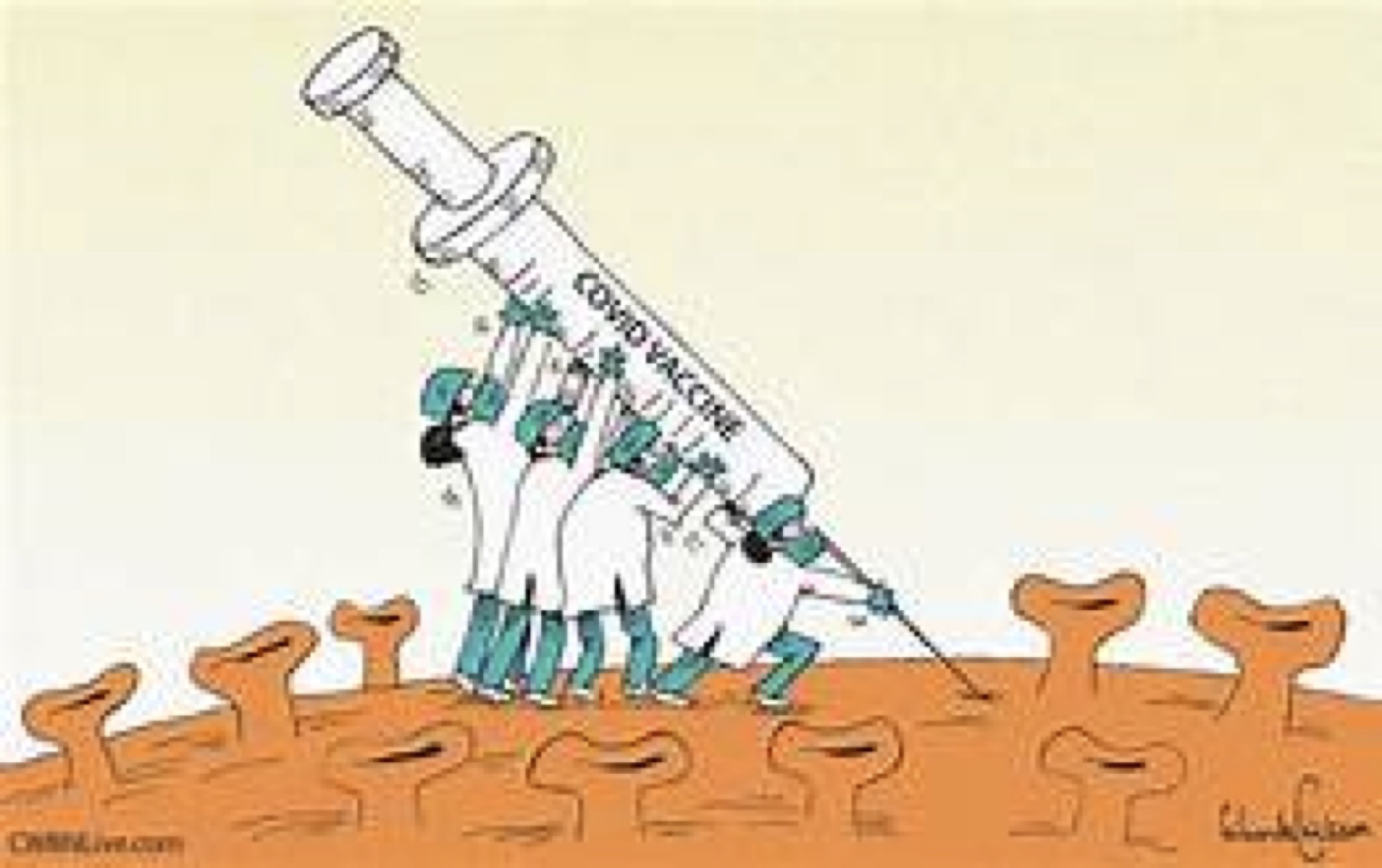
How Teachers Should Educate Students About Vaccinations by Amanda Winstead is a resource that all teachers can use as they work to build vaccine awareness and knowledge. Since this is such a hot topic, students will likely have a level of interest that you can leverage to help them learn and grow in many ways. Thanks, Amanda.

Introduction

  • The COVID-19 pandemic has impacted various areas of education. The most prevalent is how to safeguard students’ and teachers’ health while maintaining in-school teaching. Thankfully, the rollout of vaccines is starting to provide a tool to support this. These are available at the moment to adults and as such are primarily keeping teachers and students over 12 from experiencing the worst effects of the virus. However, the Food and Drug Administration (FDA) is currently reviewing vaccines for children. These are likely to become a reality for all students soon.
  • All this means vaccines are a timely topic for discussion in schools. There is a toxic culture of misinformation surrounding the efficacy and safety of these important health tools. While current levels of cynicism have reached new heights, this is nothing new. The anti-vax movement has long cast unnecessary and inaccurate doubt on vaccines of all kinds. It’s vital, therefore, that teachers become reliable sources of factual and scientific information on vaccines in general.
  • Let’s look into a few of the approaches you can use to have a positive impact on students during this time.

Vaccine

Use the Curriculum

  • Students are being surrounded by all kinds of information outside of school. What they don’t need from educators is another opinion on the subject. They need facts to help inform their knowledge about the efficacy and usage of the vaccine. A good way to approach this is by framing it within the context of their usual curriculum.
  • Biology classes are an important forum to present the scientific case for vaccination. Talk about the basics of how vaccines work as a way to prepare the body for the presence of a virus. Introduce them to the range of vaccines provided as standard for most children. Explore the role vaccines have in addressing illnesses like measles, tetanus, and polio. For slightly older students, it can be interesting to introduce the process of vaccine development. Go through testing and approval. This not only gives them a scientific understanding of vaccines but also helps to dispel fears about any risks involved.
  • However, science-based classes are not the only area of curriculum you can provide vaccine information. History classes exploring the development of the first vaccines by Edward Jenner can provide both background knowledge and perspectives of the way vaccines have improved our society. This doesn’t require you to rely on opinions about efficacy. There are objective facts you can provide about mortality and illness rates before and after the introduction of vaccines. Consider not just how to provide better vaccine information to your students but also how to incorporate it as part of their wider learning.

Make It a Discussion

  • Let’s face it, students rarely like to be dictated to. It doesn’t matter whether this comes from teachers, parents, or other authority figures. In all cases, it can elicit a frustrating sense of belittlement. It’s no different when it comes to the subject of vaccines. Instead of approaching vaccine education as something simply to be lectured on, get them involved in a more collaborative discussion.
  • As with any debate, it’s important to set boundaries. Provide clarity on respecting viewpoints and giving one another chances to speak. Make it clear that you will be facilitating their thoughts and ideas while not offering opinions of your own. It can be a wise option to clarify that the discussion is about vaccines in general. This can ease the tension of contemporary issues and open the floor to a wider discussion. Alternatively, you can provide a platform for questions to be submitted anonymously. Use a physical question box or online collaborative classroom software. Use these as the grounds to start structured debates to provide purely fact-based responses.
  • One of the most important uses of this type of discussion is it can highlight where the problematic areas of their vaccine knowledge are. The types of questions, arguments, and opinions offered can pinpoint what the most important areas of educational focus are. It tells you where additional factual resources might be required to give students the data they need to make informed decisions. It also gives you insights into their fears and what types of reassurance they might need.

Give Them the Tools

  • At its most effective, education is about empowering students to be arbiters of their learning. Sometimes the best gift you can give your students is the resources to follow their curiosity. The same approach applies to vaccine education.
  • One of the most important resources you can provide here is access to experts. Invite local public health professionals into the classroom to participate in discussions. Epidemiologists, in particular, have expertise in the analysis of the state of public health events, communicate protocols and factual data clearly, and often choose to specialize in infectious diseases. They will have access to the latest data on various illnesses and current vaccine safety information. As they are committed to improving public health, they are likely keen to engage with your students in meaningful and scientifically supported ways.
  • Alongside introducing them to sources of information, you should teach them to treat the information they gather appropriately. Show them responsible research techniques. Introduce them to activities to help them recognize credible sources of news and information. Highlight the questions they should be asking before trusting an article, research paper, or a statement by a public figure. Make sure they don’t just apply these in the outside world but in the classroom. Encourage them to question you if they feel the scientific or factual information in lessons isn’t solid. In essence, help them to become more discerning citizens.

Conclusion

  • Vaccines are among our most important health tools, even aside from the COVID-19 pandemic. It’s important to make sure students receive practical and accurate education on the topic. Work to make it a relevant part of the current curriculum and wherever possible encourage discussions on the matter. It is important to help your students to become more empowered researchers so they can make informed decisions going forward. As a teacher, you are uniquely positioned to make a positive difference in your students’ lives.

Amanda Winstead

  • Amanda is a freelance writer out of Portland focusing on many topics including educational technology. Along with writing she enjoys traveling, reading, working out, and going to concerts. If you want to follow her writing journey, or even just say hi you can find her on Twitter.
Share this:
Share this page via Email Share this page via Stumble Upon Share this page via Digg this Share this page via Facebook Share this page via Twitter Share this page via Google Plus

Noise: A Flaw in Human Judgement by Daniel Kahneman, Oliver Sibony, & Cass Sunstein

Sunday, September 5th, 2021
Noise

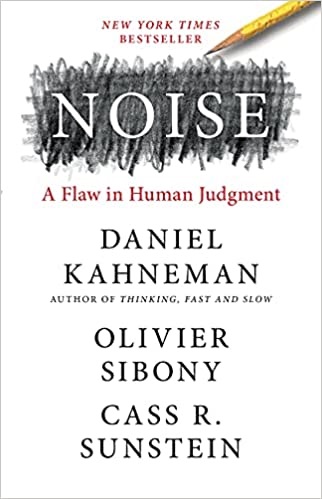
Noise: A Flaw in Human Judgement by Daniel Kahneman, Oliver Sibony, and Cass Sunstein details how noise and bias result in errors in judgment. From our courts to fields as diverse as medicine and insurance they show how noise leads to unfair and harmful results. They also provide ways to identify noise and techniques that any organization can use to reduce it. This book is a must for any professional development library. (10-15 minute read)

Introducion: Two Kinds of Error

  • Whenever you look at human judgments, you are likely to find noise. From the courtroom to medicine to forecasts to forensics and personal decisions our lives are full of noise. This book will help you recognize it and give some tips for getting rid of at least some of it. Start with an analogy that features targets and groups of shooters to see the difference between noise and bias If shots are scattered all over the target, that’s noise. It the shot are all in the lower right, that’s bias.

Part I: Finding Noise

1. Crime and Noisy Punishment

  • We start with the noise associated with crime and the sentencing of the guilty parties. In 1973, Marvin Frankel, a famous judge, realized that people committing the same crime were getting vastly different sentences depending on who the judge was. Judges gave harsher sentences when they were hungry and the day after their team lost. Blacks got harsher sentences and people are less likely to be granted asylum when it’s hot. The sentencing reform act of 1984 helped narrow the differences, but the Supreme Court struck it down in 2005 and discrepancies increased again. Female and Democrat judges are more lenient.

2. A Noisy System

  • Here we encounter he basic tool called the noise audit that all organizations need to consider. Its essence is to have many people look at the same information and make independent judgments. The variance in these judgments will give you a sense of the magnitude of the noise in the system. The authors use the median difference from the mean in the audit as a measure of noise. Keep in mind that errors do not cancel out, they add up. In many cases, the person making a judgment might as well be chosen by lottery. It’s important not to confuse judgment with taste or opinion. It’s important to have people with different perspectives when you are trying to solve a problem.

3. Singular Decisions

  • Singular decisions are those that don’t recur with any great frequency. Getting married or buying a house are examples. While they are not free from the factors that produce noise, the definition of noise does not apply and you can’t do a noise audit. Practices that reduce error for recurrent decisions should be just as effective when it comes to singular decisions.
Share this:
Share this page via Email Share this page via Stumble Upon Share this page via Digg this Share this page via Facebook Share this page via Twitter Share this page via Google Plus

Should We Be Teaching Workplace Etiquette in Schools? by Amanda Winstead

Sunday, August 22nd, 2021

Workplace Etiquette
Image Source: Pixabay

Should We Be Teaching Workplace Etiquette in Schools? by Amanda Winstead – This post explains why your school should look for a place to add workplace etiquette to the curriculum. It certainly is time to help teens get their first jobs and to help them understand how to behave once they hit the real world of work.

Introduction

  • Young people often start working part-time jobs in high school, and it’s surprising how few of them understand basic workplace etiquette. Everything from dressing appropriately to having a sarcastic attitude can be a problem for young workers. We can’t blame teens — many times they simply aren’t taught the basics of how to communicate or behave at work. Getting a new job can be overwhelming and confusing, and it’s hard to know who to talk to and how to ask questions.
  • We can give teenagers a leg up by teaching workplace etiquette in school. It can be a unit in a life skills class or part of a homeroom curriculum. There are significant advantages to making sure every teen understands how the world of work operates.

Here are just a few reasons to teach these essential skills at school.

  • Teens Gain Better Access to Opportunities: Not every young person has skilled working parents at home to use as role models. Also, because teens work in a variety of jobs, the coaching and mentoring they receive are uneven. When we provide workplace etiquette as part of the school curriculum for every young person, we help level the playing field and give equal access to opportunities.
  • Some young people have parents with the time, money, and skills to give them a great foundation in what constitutes good work. However, for the rest of the teens, it’s only fair that they are given a chance to do well in the working world by learning the basics in school.

Young People Will Have Better Work Experiences

  • There’s no drag like someone who hates their job and complains about it constantly. One thing that can help our young people avoid becoming that way is to help them learn the ropes about how workplaces operate at an early age.
  • It starts with knowing how to get a job. A surprising number of students have no idea what a resume is or what to include in one. Having a strong resume and excellent interview skills will help them get a great job right away and give them the confidence to go for bigger opportunities in the future.
  • When they know what to expect once they get the job, they won’t feel frustrated by the requests from the boss. They will be less likely to slack off or absorb bad habits from coworkers. Most importantly, they’ll have a foundation in how to communicate with their bosses about concerns. This will give them the confidence to ask for direction, offer additional help, and resolve issues.
  • When young people have good work experiences upfront, it helps them be more willing to work hard and do well in their jobs throughout their lives.

Understanding Workplace Etiquette Can Prevent Abuse

  • Young people are at a significant disadvantage at work, especially if it’s one of their first jobs. If they haven’t been taught anything about workplace etiquette, they might assume that everything that happens to them is normal and okay, even if it’s hurtful.
  • Discrimination, hostility, and bullying happen in workplaces all over the nation. Fortunately, harassment is illegal and a young person has rights. When they’re educated about the workplace, they know those rights and can properly report what’s going on.
  • At the same time, young people are less likely to engage in these behaviors at work if they’re aware of workplace etiquette. They are less likely to become bullies or join a crowd that picks on someone if they realize it’s inappropriate and may lead to legal action.
  • Teens who know their rights are also less likely to be taken advantage of by managers who demand unsafe work, pay lower-than-promised wages, or underpay tips.

Learning the Basics Early Helps in Every Job Throughout Life

  • If young people learn at school how to behave well at work, the little bad habits that become ingrained in their adult lives can be prevented. Adults complain about a variety of obnoxious behaviors from coworkers, from body odor to swearing to bragging.
  • A student who knows how to clean up for work, speak professionally, and mind the unspoken rules of the workplace (like not eating smelly food) is set up for success well beyond the teen years. They will have a better chance to impress bosses, win promotions, and build strong relationships with coworkers.
  • Today’s young people are tomorrow’s leaders, and they need the skills to face the challenges of an ever-changing workplace and world market. When they have a solid foundation as a youth, they’re positioned for success.

We All Had to Learn Somewhere

  • Today’s young people are largely preparing for jobs that don’t even exist yet. That’s why they need to know the basics today. In our first few jobs, many of us learned how to respect a schedule, call in advance if we were ill, and more. But, unfortunately, not everyone learns these lessons, as complaints in adult workplaces reveal.
  • People of any age who don’t know workplace etiquette will have hard times building relationships, impressing the boss to win promotions, and often even holding a job at all. It’s not fair to young people that, through no fault of their own, they don’t have the examples they need to be successful.
  • When we teach workplace etiquette in schools, everyone gets an equal chance no matter what their life outside of class is like. We all have to learn the basics somewhere. Why not in school, where everyone has an equal shot?

Amanda Winstead

  • Amanda is a freelance writer out of Portland focusing on many topics including educational technology. Along with writing she enjoys traveling, reading, working out, and going to concerts. If you want to follow her writing journey, or even just say hi you can find her on Twitter.
Share this:
Share this page via Email Share this page via Stumble Upon Share this page via Digg this Share this page via Facebook Share this page via Twitter Share this page via Google Plus

Safe Ways to Encourage Kids to Play and Explore Outdoors by Emily Graham

Friday, July 23rd, 2021

Play Outdoors
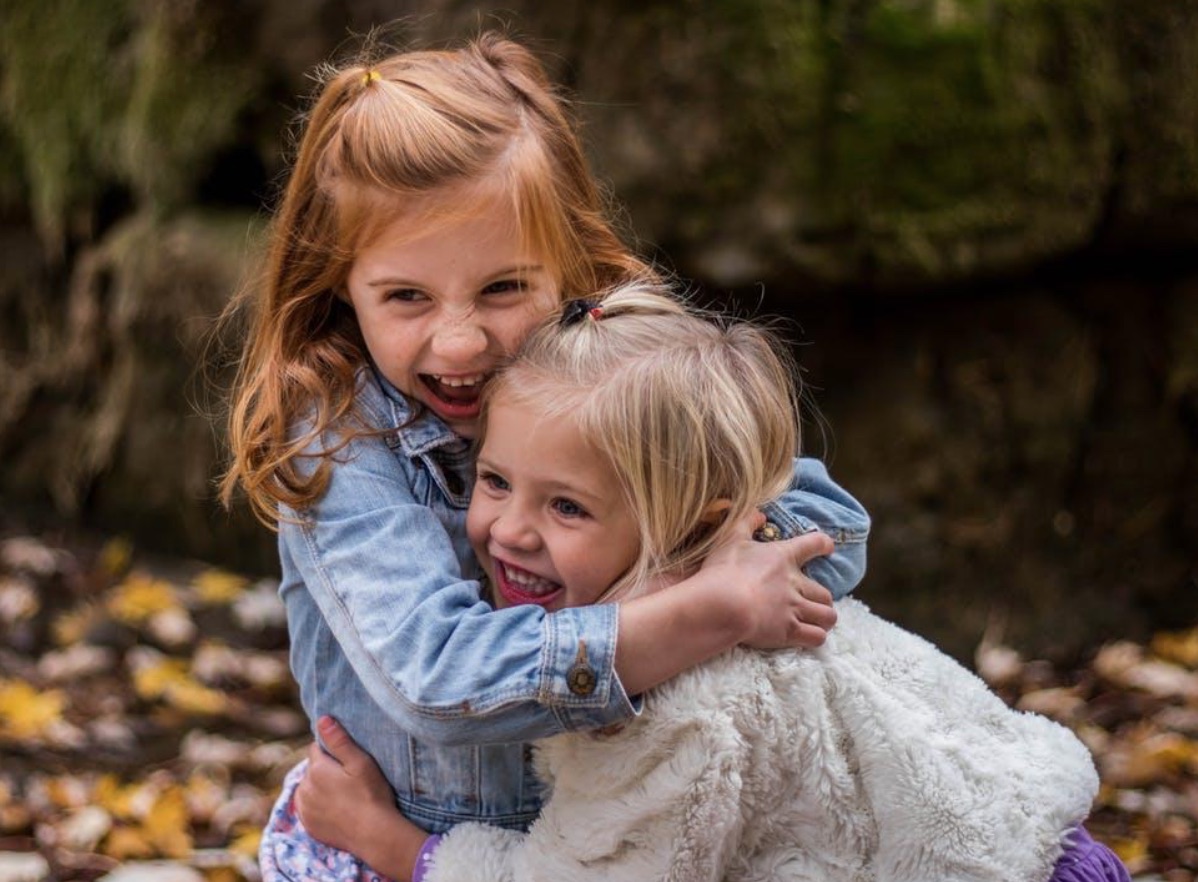
Safe Ways to Encourage Kids to Play and Explore Outdoors by Emily Graham offers excellent advice for parents and teachers about getting kids outdoors for fresh air and exercise. It’s easy to just let them sit around inside and play computer games or watch TV, but with a little effort and this advice, you can make them healthier and more vibrant. Thanks, Emily.

Introduction

  • Research shows that more of today’s modern kids are spending their time inside, and parents get to see this firsthand. Today’s kids are busy with their video games, computers, and gadgets, and they’re not getting the fresh air, sunshine, and physical activity they need as a result. Dr. Doug Green shares some ways to encourage your kids to get outside and play safely, and get them out of the house.

Help Them Hunt for Treasure

  • Turn outdoor exploration into a fun treasure hunt and make a game out of it. Try an idea from Momtastic and make a list of flowers, plants, trees, birds, and bugs that can be found in your own backyard or in close proximity. Have kids take a photo or draw a sketch of each of these items to add it to their list of found treasures. This is an observation-only event, so kids can use just their eyes to find treasures rather than poking their fingers into strange holes or trying to pluck plants. Kids will end up learning more about the natural world, and have fun doing it.

Stage a Backyard Camping Trip

  • You don’t have to go on a road trip to enjoy camping. Set up a tent in your own backyard, lay out some sleeping bags and stage a fun camping adventure that will be much simpler than actually heading out on the road to find a campsite. You can easily keep an eye on the kids while they have their backyard adventure. Give them some fun snack items like trail mix, and stuff to play with like balls and jump ropes. This will keep kids outside instead of glued to their video games.

Just Add Bubbles

  • Pretty much every kid loves to play with bubbles, and they can stay busy for hours outdoors having fun with this activity. Mix up your own bubble solution using ordinary dishwashing soap and glycerin, according to What to Expect. Make a bubble wand out of a bent coat hanger, and kids can make enormous bubbles for hours and hours. They’ll have fun blowing bubbles, chasing them around, and seeing how many bubbles they can make.

Build Some DIY Bird Feeders Together

  • Make some bird feeders with the kids, and encourage them to watch the birds that come to enjoy your DYI project. You can even turn this into a learning project, and get your kids a book on different birds so they can look up the feathered friends who visit. You don’t need much to make a bird feeder. In fact, an old shoe will work. Take the shoe and nail it directly to a tree or a post. Fill it with birdseed, and watch your avian visitors enjoy their meals. If you’re more creative, you can make a bird feeder out of almost anything, from an old cup and saucer to a used wine bottle.

Outside Safety Tips

  • Keep kids safe when they play outdoors by taking some simple safety measures. First, don’t get a trampoline. They cause horrible accidents frequently and should only be used under careful supervision for training and exercise — not recreation. Second, don’t let your kids wear drawstring clothing. Drawstrings are accidents begging to happen because they can come untied and get snagged, cause kids to trip, and get hung up on toys and playground equipment. Thirdly, make sure all your playground equipment is totally safe. It should only be on a soft surface, not hard decking or concrete, and safely away from tall buildings, trees and structures.
  • Make sure your kids stay on your property by installing a fence to surround your yard. Fence companies charge an average of $4,500 to install a fence, but peace of mind is priceless. Before hiring a fence installer, it’s a good idea to review customer feedback and ratings. Always get three estimates and make sure the company is insured and licensed.
  • Most importantly, keep an eye on your kids when they’re outside. Outdoor play is healthy and good for children, but it can be dangerous. Monitor your kids and take steps to make sure they’re staying safe. You can’t prevent every accident, but there is a lot you can do to make sure your kids avoid accidents and injuries when they’re outside. (Doug: Consider getting a camera or two so you can see your backyard from a TV or computer.)

Photo Credit Pexels.com

Emily Graham

  • Emily is the creator of MightyMoms.Net. She believes being a mom is one of the hardest jobs around and wanted to create a support system for moms from all walks of life. On her site, she offers a wide range of info tailored for busy moms — from how to reduce stress to creative ways to spend time together as a family. You can email her at emilygraham@mightymoms.net. She lives in Arizona.
Share this:
Share this page via Email Share this page via Stumble Upon Share this page via Digg this Share this page via Facebook Share this page via Twitter Share this page via Google Plus