Archive for the ‘What can Dr. Doug do for you?’ Category

Sensory Play For Toddlers Using Regular Household Items by Herman Samano

Monday, July 5th, 2021

Sensory Play For Toddlers Using Regular Household Items by Herman Samano is a must-read for any parent with young children. This article offers excellent advice for how to help a toddler better adapt to the world around them. Be sure to share with toddler parents you know. Thanks, Herman.

Introduction

  • Growing children rely on their senses from birth onward to explore and make sense of their surrounding world. Through sight, hearing, touching, tasting, smelling, and even moving, young children process the information obtained through their senses, which informs their development. By enriching infant’s and young children’s experiences with sensory play activities, families can support their little one’s brain development.
  • Sensory play can take many forms. Parents can use household items or DIY toys to encourage toddlers to understand better and navigate their world. The different forms of sensory play can enhance brain development in many ways, which we’ll explore here. Learn how to engage your child with fun sensory development activities so that you can spur their development and nurture their well-being.

SP 1

What Is Sensory Play?

  • Sensory play refers to virtually any activity that can stimulate a child’s senses. It might involve splashing their hands during bathtime or touching the different textures featured in a “touch and feel” book. Children typically find these types of activities fun without knowing that the sensory information they obtain from these activities helps forge stronger connections in their brains to process and respond to sensory stimulation.
  • Sensory play helps children create a context for their sounds or the textures they come into contact with. They learn what the different sounds are and how to respond or not respond to them. For instance, when a car horn blares outside the home, a toddler might cry the first time they are disturbed by it. But after processing it and realizing this sound does not impede or impact them personally, they may learn to ignore it.
  • Linked to healthy childhood development, sensory play helps introduce children to their world in a safe, fun-filled environment. As kids develop an awareness of different sensations, they may become more excited to build on their developing knowledge base and better explore their surroundings through more playtime fun.

Benefits of Sensory Play for Brain Development

  • By engaging in sensory play with your young children, you can better prepare them for the world. During their initial years of life, children’s brains grow quite rapidly. Parents can support this healthy development by helping children safely explore their world through each of their senses. Some of the key benefits your child is likely to experience through sensory play include the development of Fine and Gross Motor Skills.
  • As we know, children aren’t born with command over their motor skills. It takes time and practice to develop them. Learning how to manipulate their fingers and hands, use their arms for throwing, and their fingers for properly holding a pencil requires practice. The better developed your child’s fine and gross motor skills, the better they’ll be prepared for school or even enjoy playing at the park or with their toys more fully.

Problem-Solving Skills

  • Life is filled with problems and challenges for humans of all ages. Solving them is integral to the human experience. Through play, toddlers can practice interpreting the world using their senses to solve small challenges such as building a block tower that doesn’t fall or sorting items with different shapes or colors. As they develop a knack for solving minor problems, they enhance their ability to solve problems of great difficulty.

Social Interaction

  • Sensory activities can help children develop essential social interaction skills such as making eye contact, reading emotions in faces, or listening to others. By developing strong social skills, children may interact more comfortably and successfully with other children.

Language Development

  • Language development happens gradually, but the more caregivers can promote this development, the better their child’s language skills. Good language skills will allow kids to communicate more effectively as they age. Sensory exploration has a significant impact on language and speaking domains of child development. Receptive and expressive language are some of the areas of language development that can be worked upon when a child engages in Sensory play. You can help your toddler using fun descriptive words while playing to introduce new vocabulary and promote sentence formation. Pretend play can really improve your child’s expressive language skills and verbal expression.

What Is Sensory Processing Disorder?

  • Sensory processing disorder (SPD) refers to a condition that affects stimuli processing. Children affected by SPD are often susceptible to stimuli, but SPD can have the opposite effect, too; children may require a more significant amount of a particular stimulus before responding to it. SPD can affect many or even just one sense. While adults can have this disorder, they don’t usually exhibit symptoms as they’ve learned how to cope with them.
  • Most often, SPD is a condition seen in children. Some specialists view SPD as a singular condition that can occur independently, while other researchers believe it is more often than not a condition associated with other conditions such as autism spectrum disorder or attention deficit hyperactivity disorder.
    Symptoms of SPD may include:
    Exhibiting poor balance, coordination, or clumsiness
    Finding sounds to be too loud
    Finding lighting to be too bright
    Bothered to the point of gagging by certain food textures
    Feeling that clothing items are too scratchy
    Becoming upset by sudden movements, touches, or loud noises
  • Although there is no known way to prevent SPD, it is manageable. However, it typically takes time and considerable therapy to help children develop coping strategies to live with this condition. Doctors may recommend sensory integration therapy, occupational therapy, or a sensory diet, which consists of tailored activities that are chosen for a child based on their sensory needs. DISCLAIMER: These tips are based on the personal experience of the writer and are not meant to replace the advice of your healthcare professional. For questions or concerns, please talk to your licensed healthcare provider.

SP 2

How Sensory Play Can Prevent Picky Eating in Children

  • Many children have food aversions based on the textures of foods. This is common among children with SPD, but any child may develop a picky eating habit. Sensory play can reduce the tendency for picky eating, helping kids enjoy healthy eating habits. Often the sense of taste is indeed the deciding factor for whether or not a child will want to eat certain foods, but have you ever witnessed a child refuse to eat something because of the way it looked before they’ve ever tasted it?
    Through sensory play activities, parents can prevent kids from deciding whether or not they will eat a food merely based on its texture or appearance. Food texture aversion can be highly frustrating for both parents and kids. To help your children enjoy exploring new food textures and tastes, you may want to let them enjoy activities like helping you to cook. Their little hands can help form meatballs. You might even let them ‘paint’ with some spices, so they get used to seeing and smelling them. By spending time with ‘food’ in a positive context, they can become more comfortable with different textures and appearances.

SP 3

Creating a Designated Sensory Play Space at Home

  • Parents can create a space indoors and outdoors for sensory play. Consider outfitting your indoor play space with items such as:
    Busy boards (toys with knobs, dials, buttons, etc.)
    Touch and feel books
    Simple puzzles
    Play-Doh
    Building blocks
    Bristle blocks
    Fidget cubes
    Sensory table
    Sensory bins
  • When designing your outdoor sensory play area, you might include a:
    Swing
    Slide
    Sandbox
    Toddler gardening ‘tools’
    Baby pool
    Colorful sidewalk chalk
    T-ball set
    Of course, parents can supervise children in all kinds of ways to explore their world safely. They use many different household items to engage in sensory play. However, always be careful when using small objects with your little ones as they can be choking hazards. And, always, supervise your child around water.

SP 4

5 Sensory Play Activities Using Things You Already Have at Home

  • You may not realize it, but your home is full of a wealth of sensory items that you can feature during sensory playtime with your toddler. Here are just a few to inspire you to get started with sensory play:
    Pasta Pictures
    Pasta comes in all kinds of fun shapes and sizes. All you need are some different pasta shapes such as macaroni, cavatappi, rotini, and some construction paper and non-toxic paste. Encourage your child to paste the pasta to create pictures like a circle, a square, or even more complicated items that you trace for them like a star or a heart.
    Salt Dough Ornaments
    Don’t have Play-Doh? No problem. Using a combination of flour, water, and salt, you can whip up a batch of salt dough to create fun seasonal ornaments. Children will enjoy squishing the dough, rolling it, and forming it into shapes using their hands or cookie cutters. After you bake the ornaments so they’ll harden, you and your children can paint and decorate them with small pom poms, ribbon, or other odds and ends.
    Sensory Bin
    Create a sensory bin with different items and leave it out for daily stimulation. Provide plastic measuring cups and other tools for children to touch and explore on their own. You can swap in new items to keep them interesting. Here are some examples:
    Dry beans
    Edible sand
    Little toys
    Rice
    Cotton balls
    Shredded pieces of paper
    Tea Party
    Unless you’re having high tea with the queen, you don’t need a formal tea service to have a tea party. Plastic cups, some water, and a plate filled with cookies or apple slices will do just fine. The key is to let your child do the hosting. That means it’s their job to fill and refill your glass with ‘tea.’ It’s their job to serve your cookie.
    Pots and Pans Band
    Pots and pans, of course, make great drums. But there are many items around your house that children can use to make sounds. You can hand them a couple of spoons and allow them to make ‘music’ on the kitchen floor using items like pots, plastic colanders, boxes, and more.
  • Keep these ideas in mind as you prepare to engage your child in sensory play. One of the highlights of sensory play that we haven’t yet mentioned, of course, is all the fun you can have as you bond over these different activities. You’re sure to create some fabulous memories, so keep your camera handy.

Hermann Samano

  • Hermann enjoys writing content that helps parents and kids with ideas to explore and learn together. He is passionate about gaming, music, roller skating, and outdoor activities. Seattle WA. You can email him at HermannSamano-t@porch.com.
Share this:
Share this page via Email Share this page via Stumble Upon Share this page via Digg this Share this page via Facebook Share this page via Twitter Share this page via Google Plus

Making Homeschool PE Class Fun by Craig Middleton

Sunday, May 2nd, 2021

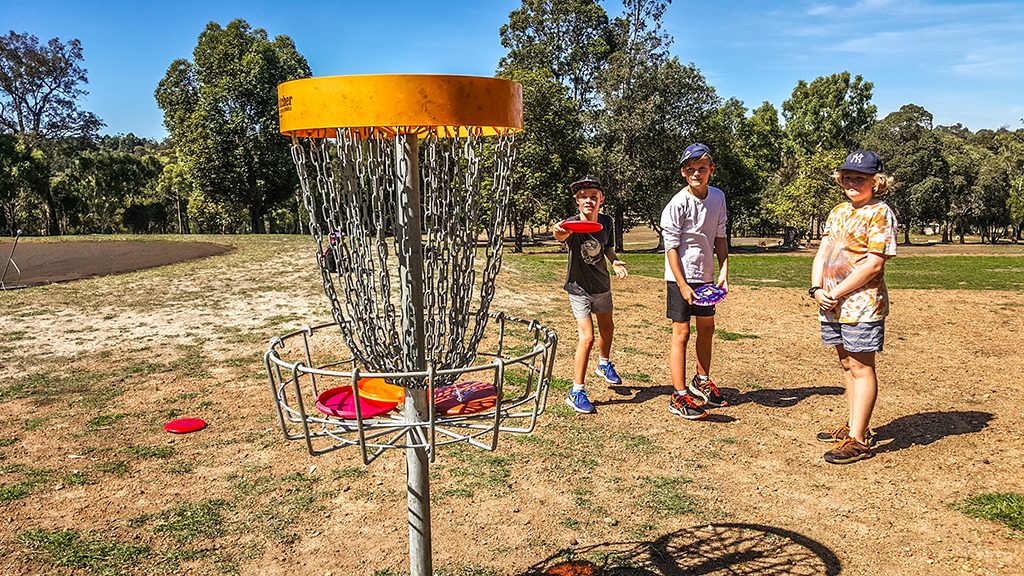
Disc Golf
Making Homeschool PE Class Fun by Craig Middleton offers ideas for parents who homeschool their children by choice. His suggestions are also good for parents who want to add exercise options beyond what their kids get at school. His advice on nutrition is also good for all parents. Remember, all parents are teachers weather they homeschool or not.

Introduction

  • Homeschooling is becoming more popular and can be both stressful and rewarding. (Doug: During the pandemic, many more parents have been homeschooling, but not by choice.) In addition to the core subjects of math, reading, and writing, an often overlooked requirement is Physical Education. Not all states require an organized PE curriculum, but any well-rounded education includes some form of the subject.
  • Going outside to play is a fantastic way to fulfill your state’s requirements while still teaching your children safe behaviors. There’s no need for a formal schedule or events. All you have to do now is get your kids going and have some fun while doing it.
  • Go outside and play with your kids if you live in the country or a neighborhood with playgrounds or popular play areas, or if you have a large yard. Yes, you can send your kids outside to play if they’re old enough, but setting a good example by going outside and being involved with them is even better. To be frank, adults need to get out and exercise more as well. It’s good for mental health and overall health, and it sets a good example for your children. Here are a few ideas to keep things interesting during your home PE sessions.

Indoor Activities

  • If you are a homeschooler of an older child, you can do more focused activities such as weight lifting, yoga, meditation, and nutritional meal planning. You can even investigate the possible benefits of supplements like protein powder, spices, and vitamins. For the younger kids, think more along the line of games like hopscotch, hot lava, or an obstacle course. Beginning yoga is a fun way to get kids to stretch and control movement. Simon Says a classic that involves listening skills and movement. Sometimes, a good old-fashioned pillow fight will leave you all breathless and in fits of laughter.
  • Don’t skimp on nutritional activities with the younger ones either. Let them help you plan and make simple meals. Hands-on activities will cement the message and teach lasting skills. You don’t necessarily have to stay home either. If it’s a rainy day, consider a trip to the local bowling alley or roller rink. Many towns also have indoor play areas set up with safe games and activities that should be opening soon. They may even offer homeschooler discounts on group admissions.

Outdoor Activities

  • Everybody needs fresh air. Options for outdoor activities for PE classes are almost endless. Pretty much anything that gets you moving is fair game. Riding bikes can be a great way to get exercise and teach the rules of the road. Relay races and obstacle courses are other favorites with kids of all ages. An excellent way to teach conservation and get some fresh air is to go for a hike in the woods. Have them collect objects like rocks, nuts, or leaves to examine later. Trips to parks or lakes are other fun options. Just remember to practice safety on the water. Don’t forget to take your frisbees and sports gear for impromptu games. You also might find disc golf courses where you live.

Co-op Activities

  • Most communities have organizations that offer cooperative homeschooling activities, including PE classes. These can be official organizations or simply a few families that get together to play games. These afford more opportunities for team activities like basketball, baseball, and soccer. Many times, recreation centers may offer their spaces free of charge to homeschoolers, giving access to equipment that may be challenging to obtain otherwise. Co-ops are excellent places for you and your kids to make friends and socialize while fulfilling an important educational requirement.

Organized Sports

  • Most states and communities allow homeschooled children to participate in organized sports through their local school systems. They will still be subject to any tryouts or requirements, but these programs could be a good way to play sports that most homeschoolers can’t provide. They also will fulfill the necessary PE requirements. If the local schools aren’t an option, most cities also offer intermural sports organizations kids can participate in that aren’t associated with public schools. AAU teams also accept homeschooled students.

Final Thoughts

  • When developing your homeschool curriculum, it’s important to remember some of the non-core subjects like PE, art, and music. Homeschooling can be very rewarding and a great way to give a wonderful education to your children. Make it fun!

Craig Middleton

  • Craig is a New York City-based retired business consultant, who is an expert in education and cultural trends. He has a Masters of Business Administration and a Masters in Education from St. Johns and loves sharing his knowledge on the side through his writing. If you have any questions or comments you can direct them to Craig at craigmiddleton18@gmail.com.
Share this:
Share this page via Email Share this page via Stumble Upon Share this page via Digg this Share this page via Facebook Share this page via Twitter Share this page via Google Plus

Live Feed from the Iceland Volcano – Special Post

Sunday, March 21st, 2021

Volcano Live Cam
Live feed from Iceland volcano – This is so cool (hot) that I didn’t want to wait for my daily post to share it. Enjoy. @verityjx @BeckePhysics @somafm

Share this:
Share this page via Email Share this page via Stumble Upon Share this page via Digg this Share this page via Facebook Share this page via Twitter Share this page via Google Plus

Six Basic Tips for Online Safety by Craig Middleton

Friday, February 5th, 2021

Six Tips

Introduction

  • There’s an old saying that “knowledge is power,” and while that might seem cliché, it is true when it comes to internet crime. Hackers and cybercriminals are looking for information about you and your family. If they find the information they want, it gives them the power to steal from your bank accounts, destroy your credit, ruin your reputation, stalk your movements, and possibly even attack you physically. Fortunately, there are things you can do to keep information about yourself and your family safe. Here are some basic online safety tips.

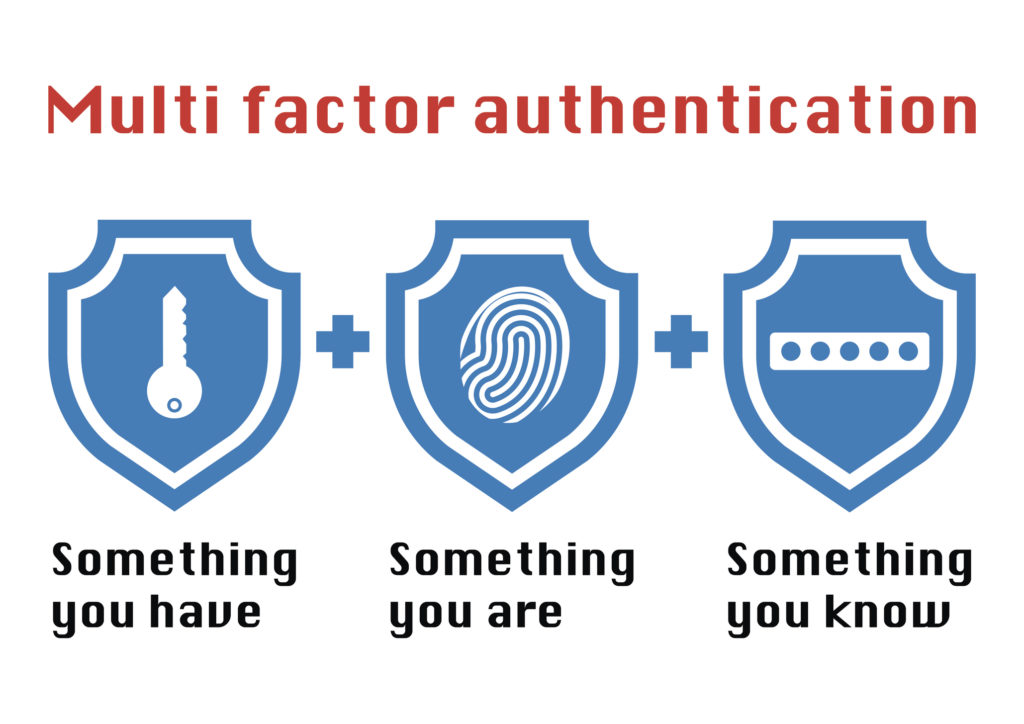
Multi Factor

1. Enable Two-factor Authentication

  • Many online services give you the option of using two-factor authentication to access your accounts. In addition to your username and password, you also have to provide another piece of information. This prevents people from accessing your accounts even if they have obtained your password. It offers greater protection for your accounts, especially if the second factor is something entirely unique to you, such as your favorite vacation spot, recognition of your face, or a fingerprint. You don’t necessarily have to stop at two factors, though. Multi-factor authentication providers may be able to help you become even more secure.

2. Protect Your Passwords

  • Protecting your passwords is vital to maintaining online security, especially where two-factor authentication is not available. You should never share your passwords with anyone, not even those you trust the most. You should also avoid “default” passwords, opting instead for those that are easy for you to remember but difficult for other people to guess. Strong passwords have a combination of lowercase and capital letters, numbers, and sometimes special characters. Special characters aren’t always permitted, though, so pay attention to the rules when creating a new password. Another way to protect your passwords is to use a unique one for every login. This way, even if someone obtains the password to one account, the others are still protected. Be sure to keep a list or you may let your computer keep them for you if you don’t share it.

Avast

3. Keep Antivirus Software Up to Date

  • Antivirus is sort of a blanket term to describe software that protects against all types of malicious programming; not only viruses but Trojan horses, worms, etc. Not all antivirus programs include protection against ransomware, however, so this is something to pay attention to during purchase and installation. If your antivirus doesn’t have it, you may require extra protection.
  • Unfortunately, it is not enough merely to have antivirus software installed. Hackers are relentless at developing new programs that take advantage of outdated protections by exploiting their weaknesses. Therefore, you need to update your antivirus frequently to be sure it is equipped to deal with the newest threats. In many cases, you can set up the antivirus software to update automatically. This way, you don’t have to remember to perform a manual update

4. Use a Virtual Private Network

  • Chances are good that you do not only access the internet from your home. Free Wi-Fi is ubiquitous, and portable devices such as tablets and smartphones make it easier than ever to connect to the internet wherever you are. However, this convenience comes at a price. When you connect to an unsecured internet connection, it makes any data and files that you send via the network vulnerable to everyone else connected to it.
  • More commonly known as a VPN, a virtual private network keeps your data secure even when you connect to public Wi-Fi. It does this by encrypting your data and disguising your IP address so no one can use it to identify you. To add a VPN to your browser, you first have to purchase the best option for you, or try a free trial

5. Clear Your Cache

  • Many websites save information about you in the form of cookies. This saves your personalized settings for you on sites that you frequent, but it could also save personal information about you that you don’t want widely known. To protect yourself, you should clear your cache periodically. Most browsers will allow you to choose which sites you want to clear cookies from and which you want to save to keep your settings intact. If you want to clear all cache, you should be able to find the option in your browser settings under more tools → clear browsing data.

Fishy subject

6. Read the Email Addresses and Subjects of Unsolicited Emails Carefully

  • Pay attention to where your emails are coming from. It may be easy to trust an email coming from a source you would generally trust such as your bank, phone support, or work. Scammers can make an email seem legit at first glance, but always look at the email address if you are unsure of the source. If it is an email you don’t recognize, block the sender. Use your judgment, common sense, and intuition to guide your online activities. If something doesn’t seem right, don’t click on it, swipe it, or otherwise engage with it at all. If you think it could be really dangerous to you or someone else, report it to the authorities. The image above shows a subject and an email address that are clearly bogus.

Craig Middleton

  • Craig is a New York City-based retired business consultant, who is an expert in education and cultural trends. He has a Masters of Business Administration and a Masters in Education from St. Johns and loves sharing his knowledge on the side through his writing. If you have any questions or comments you can direct them to Craig at craigmiddleton18@gmail.com.
Share this:
Share this page via Email Share this page via Stumble Upon Share this page via Digg this Share this page via Facebook Share this page via Twitter Share this page via Google Plus

How To Know if a Computer Science Career Is Right for You by Craig Middleton

Sunday, November 22nd, 2020

Comp Sci Career
How To Know if a Computer Science Career Is Right for You by Craig Middleton is a reality check for students considering a career in this field. It’s a field where you can typically work anywhere and make good money as long as you can deal with the stress of deadlines. Share this with students you know who are good in math and science.

Introduction

  • Computer science is a field of study that can lead to some pretty appealing careers. However, pursuing this career path requires an immense amount of effort. In order to make the right choice as you enter the field of higher education, it helps to have an idea of what computer science education and careers are actually like and what it takes to make it. Here’s what you need to know in order to make the most informed choice possible.

The Tech Job Market

  • Computer science careers are associated with a paycheck that’s potentially quite high, and that makes pursuing that kind of career a fairly easy choice on paper. More importantly, specializing in computer science can all but guarantee you job opportunities after college graduation. With recent advancements in technology, modern businesses of all kinds and many entrepreneurs need skilled computer science specialists. This ensures that your skills will always be in demand. This kind of expertise, in particular, is so valuable because these skills don’t typically come naturally. This means that fewer people have developed the knowledge and skill required to manage modern technology at a professional level.
  • Taking the necessary steps to make yourself an indispensable asset in this way will be difficult, but it will be well worth it in time. There are plenty of resources online to build up your skills, that in return, will help you stand out from the crowd when applying for jobs. You can take free courses about computer science found at codecademy or open culture. Exploring these options will lead you to a better understanding of yourself and your career goals. If you find that you have a passion and interest in these beginner courses, then you’ll likely gain even more passion for it as you advance through your education and career.

The Importance of Cybersecurity

  • Modern businesses rely on the internet for a variety of increasingly essential purposes. Companies depend on an online presence to maintain a competitive level of marketing, for starters, and online retail is a natural extension of the reach of any retail business. All of these online interactions open up companies to the risk of cyber-attacks because businesses are often targeted by hackers as a result of a perceived financial opportunity or simply a high profile target that can give them some clout in the hacker community. With the rise of apps for every brand under the sun, network and API security are an essential part of protecting not only the business in question but also the users of these apps.
  • Cloud storage is becoming a staple of modern businesses, and this style of file storage, while it’s generally more secure, requires additional cybersecurity protocols. Cybersecurity entails a number of tools and best practices used in tandem, making this field even more inaccessible to the average person, and that makes this kind of skill set indispensable in today’s job market. This role requires not only knowledge and skill, but also the ability to keep calm under pressure, because cyberattacks can be tremendously detrimental and need to be solved quickly.

The Rise of the IT Department

  • The increased dependence of modern businesses on complex technology, both online and off, has led to an increase in the importance and representation of the IT worker. IT, or information technology, workers are a fundamental part of any digital-age business, because these professionals are those tasked with maintaining the various systems at play concerning data. This means that IT workers are on the front lines when and if malfunctions occur, and this is more important now than ever.
  • In many modern companies, malfunctions of all kinds can lead to the loss of valuable time, and it falls to the IT department to resolve these issues quickly and effectively. This requires expertise in understanding the how and why of technical difficulties regarding computers, modems, routers, and networks, and that knowledge can be put to use both to solve problems and to prevent them.
  • As businesses continue to lean on their IT workers, these qualified professionals continue to have job security and often fairly substantial pay. However, the tradeoff is that the job can be quite stressful. The study of computer science is akin to that of medicine. While the subject matter is inherently different, both of these disciplines require an immense amount of knowledge and the ability to put that knowledge to use in high-stakes situations. If you can handle that responsibility and have an innate interest in technology, pursuing this career path can be incredibly lucrative for you.

Another Career Guide and Doug’s Comments

  • Here is a computer network career guide that may also be helpful. As a former High School computer science teacher I have seen students enter and succeed in this field. The best went beyond expectations and branched out to learn programming languages on their own. If you can learn to program using online courses at your own pace you might have what it takes. If you get lost in programming challenges and lose track of time, that’s a good sign that you have the passion required. Thanks, Craig
Share this:
Share this page via Email Share this page via Stumble Upon Share this page via Digg this Share this page via Facebook Share this page via Twitter Share this page via Google Plus