
Archive for the ‘Guest Posts’ Category

How to Stay Healthy in College by Craig Middleton

Sunday, November 14th, 2021

Things to do
How to Stay Healthy in College by Craig Middleton offers the kind of advice that EVERY college student needs to consider. If you know anyone in college or getting ready to go next fall, be sure to share this with them. It’s also good advice for all of us not in college. Good luck and thanks, Craig.

Introduction

  • Most college students arrive on campus in September feeling healthy and happy. After a month or two, lack of sleep, unhealthy food, and exposure to different viruses tend to make the end of the first semester a stressful and uncomfortable time. Here are ways to break that trend and feel great throughout the whole school year.

Sleep

  • Sleep is greatly underrated. Getting enough sleep repairs cells (including brain cells) and keeps your immune system in better working order.
    Unfortunately, it’s hard for college students with roommates to fall asleep as easily as they did in their own beds at home. Add to that the temptation of going out to party until the pubs close and then dragging yourself out of bed at 8 am for class. Try to keep your late-night outings to a minimum and only on the weekends. If you have trouble falling asleep the other nights of the week, there are some things you can do about it.
  • Most college students are using a device right up until the time they go to bed. The blue light emitted from phones, tablets and laptops make your brain think it’s time to wake up. There are several remedies for this. The most obvious one is to do something else before bed. Stay off any devices and read a book or listen to music until you’re sleepy.
  • Think about what color light helps you sleep if blue keeps you awake. If you just can’t break the online habit, turn your screens to night mode. This will send amber light to your brain instead of blue light. You can also wear pink or red-tinted glasses while online at night. Another option is to invest in a red light device. It can establish a healthy circadian rhythm and can even be used in an ambient mode to put you to sleep.
  • As for “all-nighters” before tests, even if all of your friends decide to stay up all night studying before a test, it isn’t the best idea and you shouldn’t do it. Sleep will give you a better test-taking advantage and your brain can only remain in study mode for a certain amount of time. After that, it needs a rest and will stop retaining information. Doing some studying every day, taking regular study breaks, and getting enough sleep is the way to ace a test.

Food

  • College cafeteria food is improving although it will still probably need to be supplemented to help you stay your healthiest. Traditionally cafeteria food has been carb-heavy and contributes to the “freshman fifteen”, the number of pounds the average freshman gains during their first year at college. 
    After all, no one is encouraging you to eat your broccoli anymore. If you can’t find any healthy organic fruit and vegetable options on campus, there are three things you can do. The first is to get together some like-minded students and ask for more organic options. The second is to supplement on your own but this can be expensive. The third is to ask your parents to send you vitamin supplements.

Workout GIrls

Stress and Exercise

  • Some doctors maintain that there are no real illnesses, only stress. What they mean by this is that your body should be able to fight off whatever germs come your way. However, if you are stressed out, your body’s defenses won’t work as well as they should and you might get sick. Try getting rid of your stress and see how much better you feel. A lot of campuses offer therapy dog programs where you can sit and pet a dog for as long as you want. After a session, you will feel much more relaxed.
  • (Doug) Regular exercise will also help reduce stress. You probably know that you should exercise. Rather than waiting for time to exercise to show up, schedule your daily exercise and stick with it. I do it first thing in the morning prior to breakfast. Many college campuses require a lot of walking, which is good exercise. Use your phone to track your daily steps and check it every day to make sure you are reaching your goal. Mine is 10,000. Most colleges have first-rate workout facilities so be sure to use them. They should give you access to a trainer who can help you set up an exercise routine designed to fit your goals and abilities. Try running and look for opportunities to run with others and sign up for local fun runs.
  • Some campuses also offer yoga and meditation classes and might even supply massage therapists during especially stressful times of the year. Being sick and stressed out are not inevitable conditions at college. Also, since COVID is still around, get vaccinated and stay away from crowded situations like parties. This will also reduce the likelihood of binge drinking. Take care of yourself and you will be able to enjoy these years and graduate with no regrets.
Share this:
Share this page via Email Share this page via Stumble Upon Share this page via Digg this Share this page via Facebook Share this page via Twitter Share this page via Google Plus

Smart Tips for Using Student Loans to Pay for College by Craig Middleton

Tuesday, November 2nd, 2021

Student Loans
Smart Tips for Using Student Loans to Pay for College by Craig Middleton offers the kind of advice that anyone seeking financial assistance for higher education needs to follow. While you need to spend a great of effort selecting a college and a major, don’t cut corners when it comes to researching your student loan options. Thanks, Craig.

Intoduction

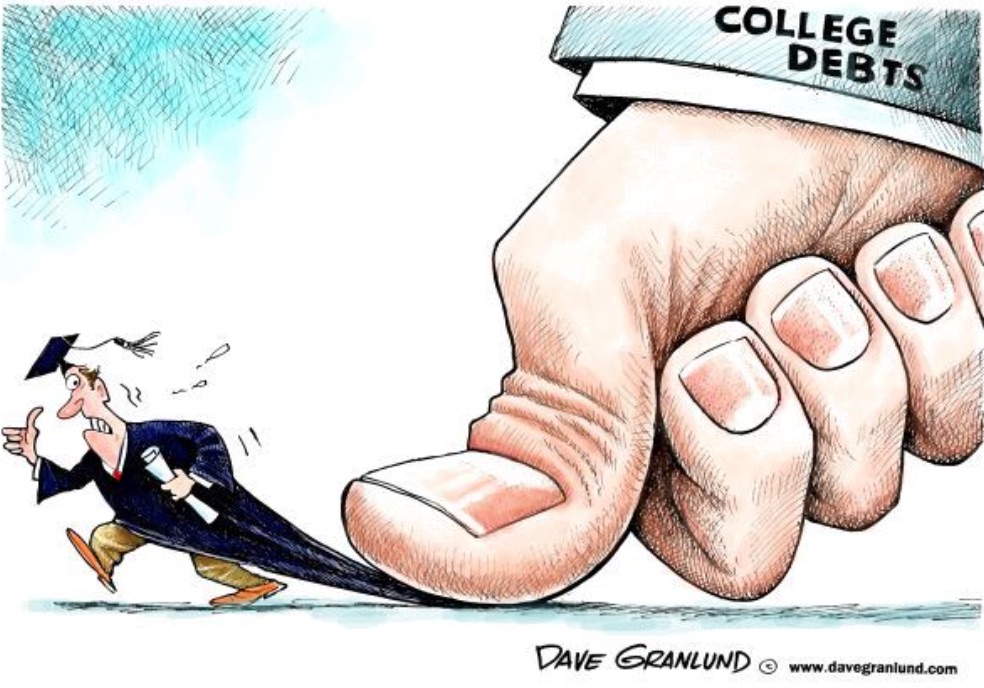
  • Taking out loans is a common part of going to college. Many students are unable to meet the rising costs of higher education without this additional assistance. Before you apply for a loan, there are some things you should know. Educate yourself on your options so you can make an informed decision that is right for you and your future.

Choose Your School and Major Carefully

  • If you are going to take out student loans to pay for your education, you should be fairly certain that the risk of taking on the debt will be worthwhile. Not all colleges and career paths have equal opportunities. Before you obtain a loan that you will need to repay, you should do some research.
  • Find out what the placement rate is from the degree program you are considering. Are there plenty of jobs available? Does your school offer job placement assistance, help with securing internships, or other resources to make finding a good job more likely?
  • Also, take a look at the growth rate of the career you wish to train for. Are new jobs being created in this field? Is the career in high demand? Or is the market oversaturated and finding employment will be tough due to high levels of competition? 
  • It’s best to find out the answers to these questions before you begin your studies. If you don’t like the answers that you find, you can adjust your plans and choose a different path before you invest time and money in a career that may not be as marketable as you think.

Calculate How Much You Need

  • Some lenders allow you to borrow more than the amount of tuition that you need. They consider expenses such as housing, meals, books, and supplies to be education-related and eligible for a loan. You can take advantage of this if you genuinely need the funds, but you should only ever borrow the amount of money that you need. 
  • Did you receive any grants or have some money saved for college? Use that first and deduct the amount from the loan you will need to apply for. Can you find an apartment with several roommates to lower your housing and meal costs? Find other ways like these to reduce the money you borrow. You will end up saving on interest and can lower the expected monthly payment obligation. 

College Debt

Determine Which Loan Type Is Best for You

  • There are many different types of loans available. Spend some time reading about them so you can choose the best option. You may qualify for federal loans backed by the government, or you could need to take out private loans. There are also options for parents to borrow the money, or you can take on the debt yourself as a student. Compare your choices and make the selection that works for you.

Know Your Repayment Terms

  • Before you sign a loan agreement, make sure you understand what the repayment terms are. These will differ for each lender. Find out when repayment will begin after graduation. Do you have a grace period or are you required to start payments immediately? Does your career offer any options for loan forgiveness?
  • You should also have an idea of what the interest rate will be and what repayment plans are available. It can be tough to predict what your income situation will be like, especially when you first enter into employment. A loan that has a variety of repayment plans could be the best choice. Ask your lender if it is possible to change your terms depending on your financial situation. Some servicers will allow you to extend the length of your loan, or even calculate your monthly payment based upon your income.
  • When you go about it in the correct way, student loans can be a huge help. They give you the opportunity to pursue the life that you desire by being able to afford the training you need to secure the job of your dreams.

Craig Middleton

  • Craig is a New York City-based retired business consultant, who is an expert in education and cultural trends. He has a Masters of Business Administration and a Masters in Education from St. Johns and loves sharing his knowledge on the side through his writing. If you have any questions or comments you can direct them to Craig at craigmiddleton18@gmail.com.
Share this:
Share this page via Email Share this page via Stumble Upon Share this page via Digg this Share this page via Facebook Share this page via Twitter Share this page via Google Plus

Does a Computer Programmer Really Need a College Degree by Craig Middleton

Sunday, October 24th, 2021

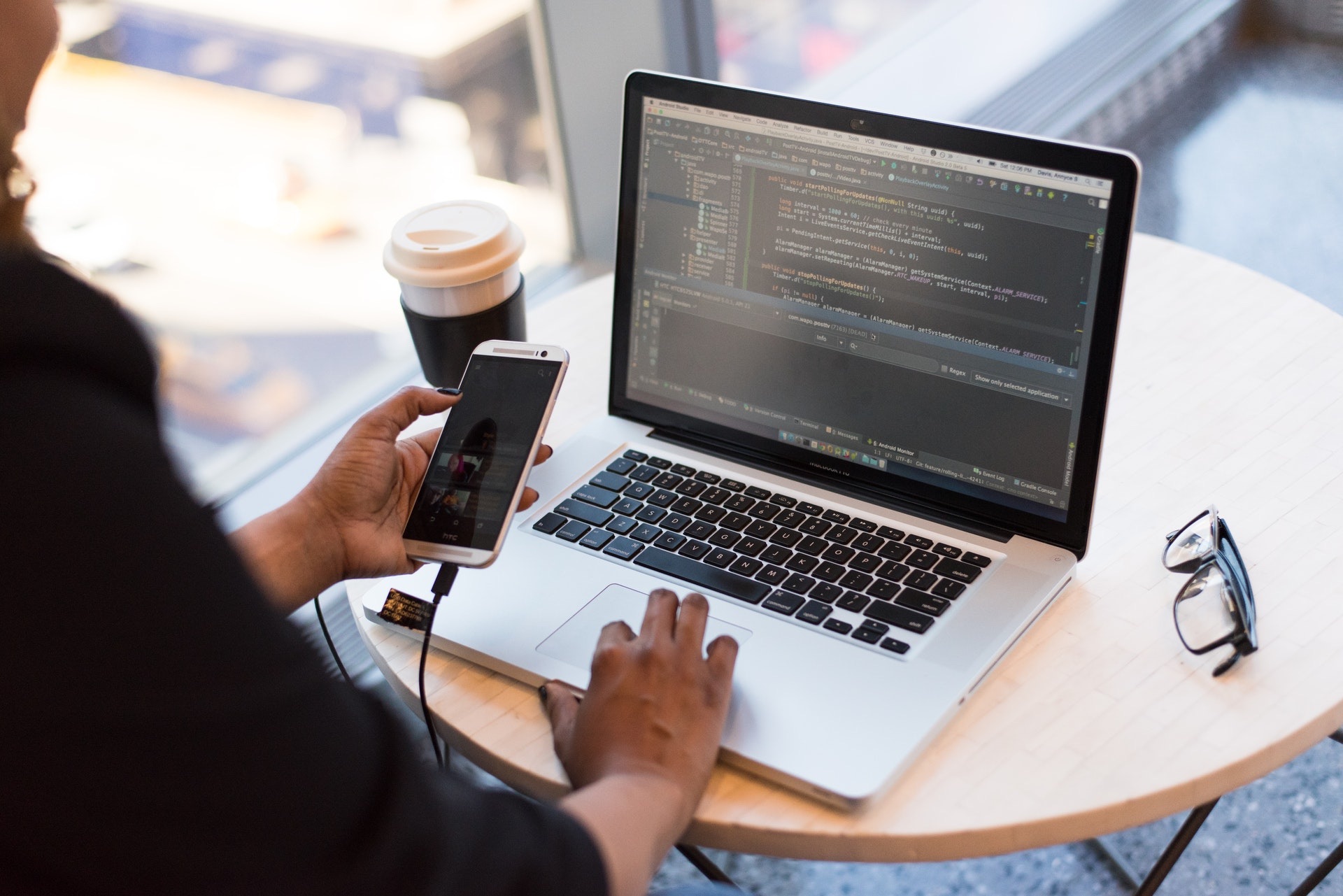
Programmer
Does a Computer Programmer Really Need a College Degree by Craig Middleton notes that most programmers have a degree in something, but that thanks to the pandemic, we have a lot of new professional programers who used resources like coding camps to gain the skills necessary to land good programming jobs without a programming degree.

Introduction

  • You have undoubtedly noticed the expansion of the internet of things (IoT) into every aspect of your life. You can turn on your porch lights, turn up the thermostat, and preheat the oven while you are still in your office—assuming you are working from an office these days. The time is approaching when physicians in one part of the world can robotically perform surgery on another continent. An ever-increasing complexity and the integration of multiple systems seem to be the order of the coming digital age. One of the careers that is exploding in numerical growth as well as specialization is computer programming. This causes a question to arise: do computer programmers need to have heightened advanced training before they leap into developing apps and software? Specifically, should programmers be required to have a college degree in programming?

What Kind of Issues Must a Programmers Deal With?

  • In order to answer that question, you first must have a grasp of what sort of technical challenges as well as real-world concerns programmers face when creating code for a workable, dependable program. While the complexity of programming grows because of the many added options coders must deal with, the basic underlying syntax tree, that is, the shortcut diagram of potential possibilities, still looks the same as it did in the old days before microcomputers and the internet became much larger. This implies that programming, while more complex, is unchanged in its essential nature.

What Education Do Most Programmers Have?

  • What does this mean as far as the educational credentials required for the folks writing the programs? The bottom line, as of almost 80 years since computer programming became a thing, is that most professional programmers (those who get paid to do it) do have college bachelor’s degrees. That does not mean their degrees are necessarily in computer science. Neither does it mean that future programmers want a four-year degree in anything. The reality is that a boom in coding “boot camps” is ongoing. Potential programmers want to learn the various coding languages as quickly as possible. As it currently stands, most professional programmers have a degree in something, while newcomers want to know how to code but tend not to be interested in a degree.

What Does the Future Hold for Programming as a Career?

  • Forbes reported in a recent article that enrollment in coding camps increased by almost 50% over a two-year period and that was before the pandemic demonstrated you can stay at home and have a productive, well-paid career. Thus, there is currently a flood of new potential programmers, who will not have college degrees, and concurrently there is a great need for programmers. According to the article, there will be a winnowing process that follows because programming requires some distinct abilities:
    Extreme attention to perfect detail
    Ability to think abstractly
    Ability to think logically
    The bottom line is that programmers are growing in number at least temporarily and newer ones are less concerned about having a college degree.

What is the Ideal Education for a Programmer?

  • You should start with the recognition that a programmer or coder is not a software engineer. This simply means that you are not creating computer language as you go. Instead, you are using tools others have already developed. Also, begin with the notion that you have carefully considered your own personality and believe you would enjoy a career as a programmer. One school of thought is that you should definitely have some background in computer science, at least an associate’s degree and that you should learn a variety of different computer languages. Different languages are required depending upon whether you are writing smartphone apps, website structures, or software to run on the internet.

Dr Doug’s Advice

  • In my view you are better off learning programming online at your own pace rather than in high school or college classes that are typically one-size-fits-all. People with a knack for programming can learn languages fast on their own. The same is true for learning software products like Photoshop and Final Cut Pro. A quick search for “free online programming courses” should get you started. Many start out free and then change for additional instruction. That seems fair to me. You should also investigate which language to learn first. From what I’ve seen, Python looks like a good way to go. After that, learn whichever languages seem to be the best for the kind of programming you or your new book wants you to do. Good luck.

Craig Middleton

  • Craig is a New York City-based retired business consultant, who is an expert in education and cultural trends. He has a Masters of Business Administration and a Masters in Education from St. Johns and loves sharing his knowledge on the side through his writing. If you have any questions or comments you can direct them to Craig at craigmiddleton18@gmail.com.
Share this:
Share this page via Email Share this page via Stumble Upon Share this page via Digg this Share this page via Facebook Share this page via Twitter Share this page via Google Plus

Four Side Hustles To Start in College by Craig Middleton

Friday, October 8th, 2021

Sid Hussles
Four Side Hustles To Start in College by Craig Middleton offers some good ideas for college students who are trying to generate some income to offset student debt. While you need not limit yourself to these ideas, this should get you thinking. Also, check out this post on 7 Online Business Models That Are Similar, Better Than, or Alternative to Dropshipping by Wei Linchao at best Fulfill.

Introduction

  • Are you a college student looking for ways to make money, but you aren’t sure how you can get started? Perhaps you are tired of working retail or food service, or you need something that is flexible instead of demanding when it comes to working. Today, more young people than ever are starting their own side hustles and becoming entrepreneurs in the process. Discover how you can find a side hustle that will fit your needs and help you earn the money you need while still succeeding in your college studies.

1. Start a Dog Walking or Pet Sitting Business

  • If you love animals, starting a dog walking or pet sitting business might be the solution you are looking for. Dog walkers typically work during the day, and can sometimes handle more than one dog at a time. It’s crucial that you know your limits and don’t try to walk too many dogs at once. You’ll need to make sure they get along with one another and pick up after any messes they make.
  • As a pet sitter, you can watch dogs in your home or someone else’s. After you’ve tended to the animal’s needs, you are generally free to study or relax. Many dogs and cats simply find having the presence of another human around to be comforting, so hanging out on the couch might be all they need to calm down. Some people choose to run both types of businesses. Start off small and see how much you can handle while juggling college at the same time. In many cities, you can also work for agencies who do the booking for you.

2. Create Your Own Etsy Store

  • Etsy has grown and developed from a small website where people could have handmade items to a major marketplace where both handmade and vintage sales thrive. if this type of work appeals to you, think about what you would like to provide your customers. Make sure to take clear photos and understand how to optimize search engine optimization (SEO) so people who search for your products find them easily in the results so you can improve the sales process. One positive factor about running an Etsy store while in college is that you essentially run your own business, so there is no need to ask for time off. Just make sure that your crafts are unique so you don’t end up competing with inexpensive imported goods. Check out the competition first.

3. Deliver Food On Your Own Time

  • Consider working as an independent contractor for a company like UberEats or DoorDash and deliver food to customers all around your area. If you live in a big city or a location that has a lot of tourists, this can be a good way to earn money. You can deliver on days that are busy for you and take off when you need to. It’s important to take care of your car if you decide to deliver food for a living. However, you can usually earn more working for yourself than you would by being traditionally employed through a company, and it is possible to set your own hours as well. The same applies if you want to work for companies like Uber or Lyft.

4. Get Handy With Alterations

  • If you’re handy with sewing, consider working as a seamstress. Providing clothing alterations allows your customers to have a customized fit for their needs. This could be as simple as hemming pants or even making a skirt or dress fit better. You can change your customers a decent markup for altering their clothes and you don’t need to work long hours or even keep a specific schedule much of the time, as long as you get the items completed by when you promised. Sewing even comes with health benefits such as brain growth and can reduce stress, which is ideal for many college students.
  • Working a side hustle in college doesn’t have to be difficult. Find something that catches your interests and allows you plenty of time to study. You can set your own prices or work the hours that you feel are best for your lifestyle, allowing you to make money while getting ahead on your life goals. Just don’t let your side hustle compromise your grades.

Doug’s Hustel

  • I played in a rock band when I was in college in the late 1960s. It helped pay the bills and it sure was good for my public presentation skills. There is lots of work for part-time musicians and even classical musicians can get party gigs. People with artistic skills can also find work doing jobs for small businesses that can’t afford in-house artists. Your computer skills can also help you land work on the side. In any case, try to use skills that you are trying to improve to further your future career path if you can. Good luck.


Share this:
Share this page via Email Share this page via Stumble Upon Share this page via Digg this Share this page via Facebook Share this page via Twitter Share this page via Google Plus

How Technology Can Help Students With Special Needs Learn by Amanda Winstead

Sunday, October 3rd, 2021

Winstead 3
How Technology Can Help Students With Special Needs Learn by Amanda Winstead offers excellent advice for special education teachers and the parents of special children. Students with special needs may face a host of challenges in their daily lives, but technology can help to level the playing field in the classroom.

Introduction

  • The outbreak of the COVID-19 pandemic has had a profound impact on schools and universities worldwide. To protect students, teachers, and families, physical campuses were forced to shutter their doors and take the learning remote. And, in so doing, we have learned a powerful lesson about the extraordinary power of technology in education. However, technology’s role in the classroom did not begin with the pandemic, nor will it end there. For students with special needs, technology can be a particularly important tool for learning. This article examines some of the most significant ways technology is helping students with special needs thrive.

Enhancing Communication

  • For children who are nonverbal or who may have difficulty producing or processing spoken language, assistive technologies featuring text-to-speech capabilities can enable students to find a voice in the classroom.
  • Similarly, technologies are available which not only offer closed captioning on class videos for students who are deaf or hearing impaired, but which can also caption words spoken in the classroom itself. And for students with visual impairments, screen readers and Braille-to-text technologies enable students to work with class materials and complete assignments with a large degree of independence.
  • Through these technologies, students gain the power to communicate more freely with teachers and peers and to participate in the learning process with minimal assistance, an empowering process for children who, in all likelihood, are eager to learn and be “just like” their peers in the inclusive classroom.

Alternative Learning Activities

  • Students who are neurodiverse or who may have been diagnosed with behavioral or learning challenges are likely to benefit from learning activities that are highly interactive and deeply engaging. Smartphone apps such as Kahoot, TinyTap, and Quizlet can turn dry content into a fun game, and that can mean all the difference for a student whose attention may easily wander from their textbook readings or a standard lecture.
  • Computer-based interactive learning activities are also ideal for motivating students by connecting the learning material to something real, concrete and meaningful to them. For example, a student who has been diagnosed with autism spectrum disorder (ASD) may be challenged with language and written text but might be exceptionally gifted in an area of science or technology.
  • In such cases, an “authentic work” approach could be used to challenge the student to learn computer-based 3D modeling to create, a replica of the Parthenon or design a new type of aircraft or ship, which could then be printed on a 3D printer. This would enable the student to apply high-level mathematical and technological concepts, even as they master important lessons from history and science, and to do so in a manner that is far more relevant, accessible, and empowering to the student than traditional print-based methods might be.

Remote Learning

  • Remote learning isn’t just an inevitable byproduct of the pandemic era. For many special needs students, it can be the healthiest and safest way to “be” in class. Remote learning technologies are increasingly enabling students with significant health concerns to connect in real-time with their classmates, to experience some or all of a typical day of class with their peers, without ever leaving home.
  • Indeed, new “telepresence” technologies are emerging to allow students not only to see, hear, and speak in class, but also to “move around” it in the form of a physical robotic avatar the student controls remotely. While this technology is still largely in the developmental phase, it’s showing tremendous promise in simulating a “real” in-class experience, helping to break the boundaries between the home-based student and their peers and teachers on campus.
  • However, telepresence is only one of the many capabilities that technology in the K-12 classroom is providing for students, families, and educators alike. In fact, as the influence of the Internet of Things (IoT) continues to increase in the connected classroom, parents, pupils, and teachers are better able than ever before to tailor the learning environment and process to students’ individual needs, while at the same time improving the efficacy of teaching practices. The IoT-infused classroom allows flexibility, enhanced communication, and more effective monitoring of students’ needs and progress, wherever the student may be. And for students with special needs, that can mean all the difference in the world for their academic success!

Improved Monitoring

  • One of the most significant benefits of technology for students with special needs is that it enhances the teacher’s ability not only to monitor the student’s progress but also to engage with the student and their parents when needed. For example, software such as the Online Staff Performance Management System creates visual representations of student performance, creating digital charts and graphs that allow teachers to efficiently and accurately assess how students are faring, where they excel, and where they may need additional assistance. These graphics can also be easily shared with parents and administrators, fostering more cohesive, effective, and individualized learning support tailored to the child’s evolving needs.

Using Caution

  • As profound as the benefits of technology are for students with special needs, it is critical that parents and educators alike take precautions. Educational computer games are superb for driving student motivation, engagement, and learning, but children must also be taught online safety strategies and should still be closely monitored when online.
  • As an added layer of protection, parents and educators should install security software for any educational and recreational purposes, from VPNs to firewalls to anti-spy software that shields children’s data from prying eyes and, above all, insulates them from the bad actors who may be too readily found online.

The Takeaway

  • Students with special needs may face a host of challenges in their daily lives, but technology can help to level the playing field in the classroom. From assistive communication to remote learning to interactive gaming, technology is a vital tool to help students with special needs harness the power and the joy of learning.

Amanda Winstead

  • Amanda is a freelance writer out of Portland focusing on many topics including educational technology. Along with writing she enjoys traveling, reading, working out, and going to concerts. If you want to follow her writing journey, or even just say hi you can find her on Twitter.
Share this:
Share this page via Email Share this page via Stumble Upon Share this page via Digg this Share this page via Facebook Share this page via Twitter Share this page via Google Plus