
Archive for the ‘Guest Posts’ Category

Fun Science Experiments for Elementary School Students by Craig Middleton

Sunday, April 18th, 2021

Chem Lab
Fun Science Experiments for Elementary School Students by Craig Middleton offers two interesting science experiments that kids can do in their home kitchens. If you compare a modern kitchen to a chemistry lab you will see a lot in common. While Craig’s experiments can get you started, the Internet is full of other fun science experiments you can do at home or around your residence. Good luck.

Introduction

  • If you are homeschooling or virtually teaching, science can be a difficult subject to teach. Science is best taught with a hands-on approach and students learn better when they are actively watching or participating. This can be challenging when you do not have the resources that science classes do in schools. However, common core science subjects are still possible via a hands-on approach without any typical science class equipment. To teach science outside of a traditional classroom, you just have to be creative.

Matter as Solid, Liquid, And Gas

  • One common core lesson is teaching students about matter in its different forms or phases. A simple and fun science experiment to teach students about liquids and solids is to make a supercooled liquid. Before you do this experiment, you need to explain what solid, liquid, and gas states are to your students. Melting point and boiling point are also concepts that students should be aware of before this experiment.
  • In this experiment, you need ice equipment, like your freezer, and 1 or 2 bottles of water, soda, or juice. The liquid you choose should be in a liquid state before placing it in the freezer. Have your students look at the liquid and explain what they see. Then, place the bottle in the freezer for about 45 minutes. During this time ask your students what they think is happening to the liquid. Is it turning into a gas or a solid? What will it look like after 45 minutes in the cold freezer? (You make have to experiment with the amount of time you leave it in the freezer.)
  • Once 45 minutes have passed you can test to see if the liquid is supercooled. Do this by placing an ice cube in a glass then pouring a little liquid out of the bottle. If the liquid is supercooled it will look similar to a milkshake. If it is still liquid place the lid back on and put the liquid back in the freezer for another 15 minutes. Show your students what happens as you pour the supercooled liquid into the glass. Let them theorize what is happening.
  • The science behind what is happening is that some liquids can be brought below freezing, but only for short periods of time and only if there are no ice crystals already formed in the liquid. Once the supercooled liquid touches a piece of ice, it quickly freezes. This might take several tries. If you aren’t successful at first watch this YouTube video to see it happen and for tips.

Scrambled Eggs

Chemical Versus Physical Changes

  • Another common core science lesson is teaching students the difference between chemical and physical changes. The easiest way to do this is through an experiment. First, be sure to explain the difference between chemical and physical changes. Remember that physical changes can be easily reversed while many chemical changes cannot.
  • A simple experiment to show this is making scrambled eggs. Take an egg and break it into a bowl. Add some cheese to the bowl and ask your students if the mixture you created is a chemical or physical change. Since you can still take out the cheese, it was a physical change. Next, add your egg and cheese mixture to a hot pan, making scrambled eggs. Have your students watch the process and record what is happening. Then, ask them if a chemical or physical change occurred. Since heat was applied, a chemical change occurred and the egg cannot be changed back. This YouTube video explains what happens when egg proteins are heated.
  • You can also do this same type of experiment by making cookies. Making cookies would also allow you to teach your students how to measure and teach them about mixtures. However, it is important to remember that students come from different socio-economic households and many may not have the ingredients to make cookies at home.
  • Doing science outside of school is possible and easy. There are thousands of simple experiments you can do at home or virtually with your students. Many can be found by doing an online search or by looking for educational science videos on YouTube. Just be creative and flexible and remember that science is as fun as you make it. Also, remember that your kitchen is really a chemistry lab.

Craig Middleton

  • Craig is a New York City-based retired business consultant, who is an expert in education and cultural trends. He has a Masters of Business Administration and a Masters in Education from St. Johns and loves sharing his knowledge on the side through his writing. If you have any questions or comments you can direct them to Craig at craigmiddleton18@gmail.com.
Share this:
Share this page via Email Share this page via Stumble Upon Share this page via Digg this Share this page via Facebook Share this page via Twitter Share this page via Google Plus

Supporting Your Child’s Education During COVID-19 by Emily Graham

Sunday, April 11th, 2021

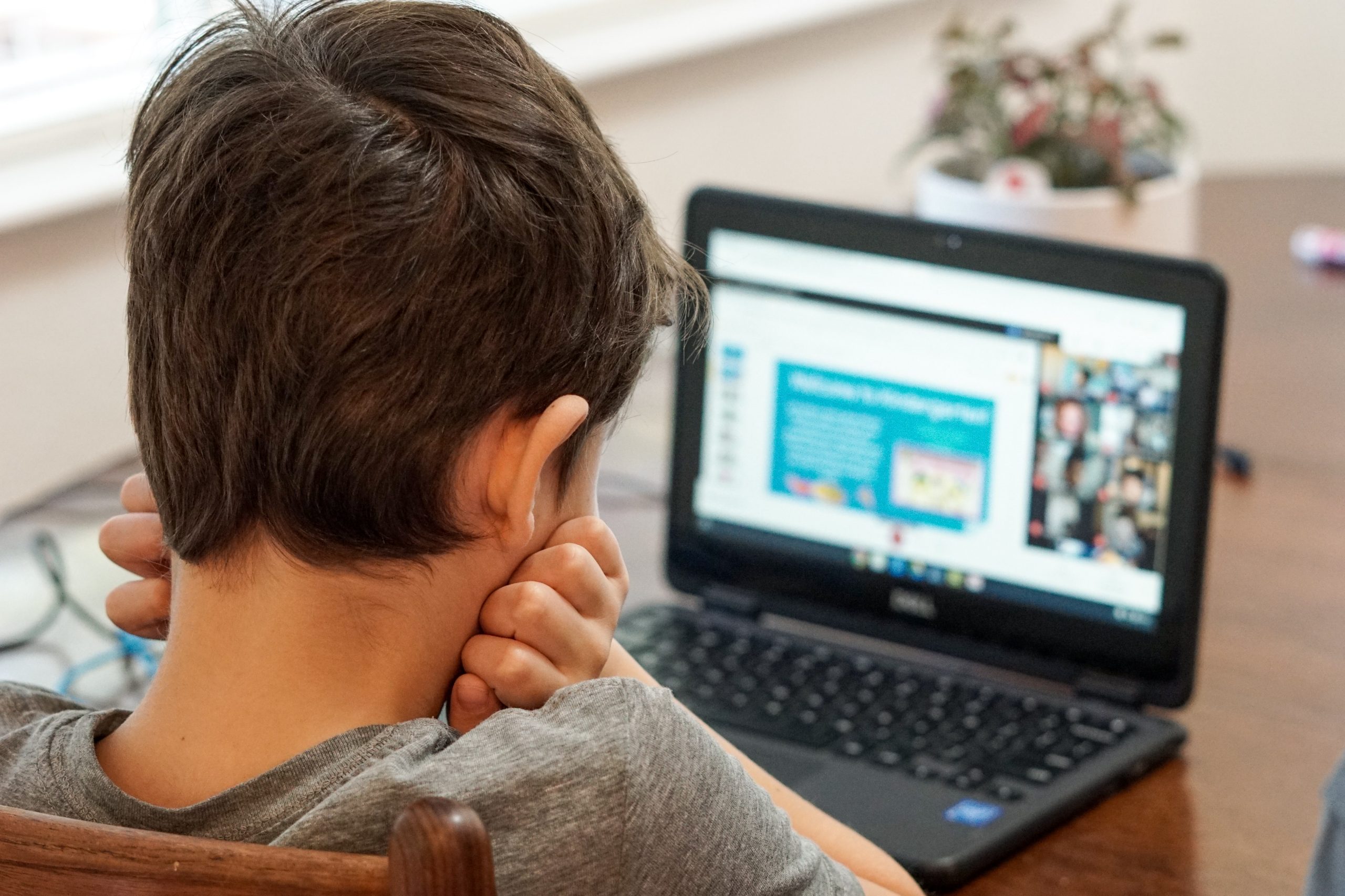
Kids Learning at Home
Supporting Your Child’s Education During COVID-19 by Emily Graham offers advice from a parent to other parents facing the challenge of helping their kids do some or all of their learning at home. Like her, you can learn to take advantage of the fact that when kids are learning a home, the parents can better understand what their students are learning and are in a better position to help them learn.

Introduction

  • The COVID-19 pandemic has pushed many parents into double duty as at-home and online teachers — which, in some ways, provided a front-row seat to watching their children’s educational progress. If you’ve noticed your child struggling in particular areas or you want to supplement their education with a little extra help, there are myriad ways to do this in a fun and meaningful way. Dr. Doug Green is a seasoned practitioner who provides educational advice to education professionals and parents about how to ensure kids become lifelong learners.

How Does Your Child Learn?

  • Not all people digest information in the same way. According to Scholastic Parent, some kids are visual learners, while others are linguistic, musical, or spatial learners. Your child may even be an experiential learner who absorbs and retains information by doing things rather than being shown techniques. Understanding how your child connects with content and information can help you find beneficial ways to help them engage, study, and develop fundamental skills and knowledge.

Talk to Your Child’s Teacher

  • Your child’s teacher is an exceptional resource when it comes to helping you supplement his or her education. Stay in regular contact, and ask where your child is struggling and where he or she is excelling. Ask for recommendations for additional resources, like websites, reading materials, and study groups. Become familiar with what your child is studying in school, and look for ways to build on concepts outside the classroom. According to the Parent Institute, your child’s teacher is your partner — find ways to work together as a team

Promote Learning in Disguise

  • As humans, we all learn new things every single day, often without even recognizing it. Once you’re familiar with what your child is studying, integrate
    elements into everyday life. For example, if your preschool-aged child is learning to sort things by size, ask your child to line things up on a pantry shelf from smallest to largest when you’re putting away groceries. If your high-schooler is in a current events class, ask them to talk to you about what they read in the news, how they feel about it, and what it means to them in terms of the state of our society. Not only do these approaches support and reinforce learning, they also allow you to engage with your children on a new level.

Make Learning Fun

  • It’s no secret kids love their screens, but you can use that to your advantage. You can find numerous online educational games and books that have likely been made into movies or programs your child enjoys. Look for the crossover and discuss the differences and similarities. This is yet another way to meet kids where they are — via material and mediums they’re already drawn to. These activities can be family affairs, and older kids can help younger ones, as well.

Ask Questions

  • Another way to help your kids learn is to ask them questions. What do you think about that? What do you think that means? What did you like best about the book? What was your least favorite part of that program? Why? You will be amazed at the insights you get into your child’s learning style and outlook. This is also a way to share your perspectives, impart values, and not simply help “teach” a subject, but also ingrain concepts and convey problem-solving and comprehension skills that will help your kids throughout their lives.

Ask for Help

  • If you or your child needs a little extra professional help navigating certain subjects or the current learning environment, there are numerous resources to tap into. Consider hiring a tutor, either online or in person. If your child has special needs of any type, ask about the creation of an IEP or individual education plan that meets his or her specific challenges. For kids with Attention-Deficit/Hyperactivity Disorder (ADHD), staying focused, especially in a home-schooling environment, can be a challenge, but there are ways to help them adapt and thrive. For example, some studies show that listening to music can help kids with ADHD focus better. Kids’ education is of paramount importance to both parents and educators. For insights, tips, and best practices, consider Dr. Doug Green’s services.

Emily Graham

  • Emily is the creator of Mighty Moms. She believes being a mom is one of the hardest jobs around and wanted to create a support system for moms from all walks of life. On her site, she offers a wide range of info tailored for busy moms — from how to reduce stress to creative ways to spend time together as a family. She lives in Tucson, AZ, and can be reached by email at emilygraham@mightymoms.net.
Share this:
Share this page via Email Share this page via Stumble Upon Share this page via Digg this Share this page via Facebook Share this page via Twitter Share this page via Google Plus

What to Look for in a Good College: the Ultimate Checklist by Jane Crighton

Sunday, April 4th, 2021

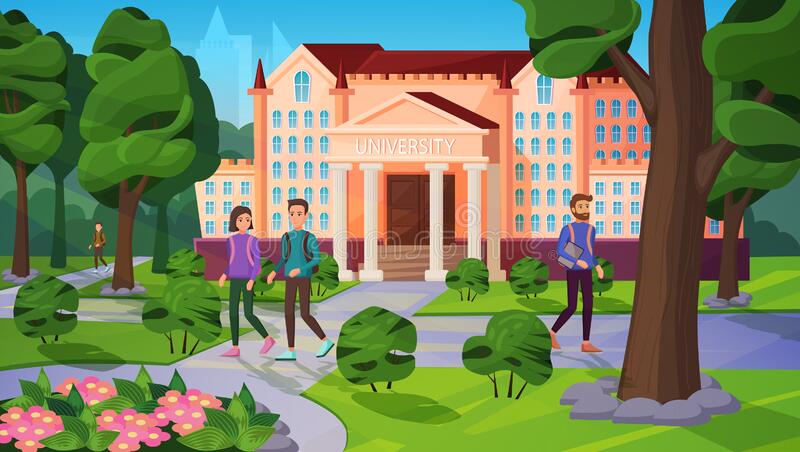
College Life
What to Look for in a Good College: the Ultimate Checklist by Jane Crighton gives sound college selection advice from a relatively recent graduate who should know. As someone who graduated in 1969, I find this advice up to date and valuable. While the pandemic has further complicated college selection, this advice should stand the test of time. Thanks, Jane.

Introduction

  • Choosing the right college is such a momentous decision in every student’s life. It’s both emotionally and financially straining for most families. It’s when most students move out of the comfort of home for the first time. The decision brings with it both freedom and responsibility. As they say, with great power/freedom comes great responsibility. It’s a step that can’t be avoided for the student’s good. The child needs to move out and see the world and make and learn from her experiments. The goal is to choose the right course, avoid toxic friends, pay the bills, and be responsible for herself all at the same time.
  • My parents gave me the freedom to select a University away from home when I scored higher than they expected. At first, I was happy being away from the strict vigil of my family, but eventually, it weighed on me somewhat. That’s when I understood the value of family and what I had taken for granted in the past.
  • One needs to select a college where they like the culture, that has the major they want, and is located appropriately. There are many small and big things that go into deciding the best college for you. However, it may not be possible to find a college that ticks off all the points. You will have to prioritize and decide which points matter most to you and that will best impact your career.
  • Once you have decided on all your criteria, it’s time to write perfect college application essay. Writing a firm and decisive essay ensures that the College sees how you will be a good fit.

A Checklist for What to Look for in a Good College

  • First, the college must have a high graduation rate. This is a direct indicator of how efficient the college is. Every college aims to help students graduate, so the absence of the same is something to avoid. A college where the students have a lower graduation rate is doing something wrong. This means that something is missing in the system and you shouldn’t be a part of it. Some colleges are extremely selective and only take students who are likely to graduate. Others are open to all and risk lower rates for admitting students who perform poorly.

Student to Faculty Ratio

  • College is difficult for a lot of students. There are multiple assignments to take care of, papers, friends, relationships, and finances too. A lot of students feel depressed and are prone to breakouts. Teachers play a big role in a students life, for multiple reasons. Not only do they help a student as a teacher but they can also play the role of a mentor if you reach out. A good teacher helps their students to deal with academic and emotional challenges. They can impart knowledge that is timeless and precious too. This is why a lower ratio of faculty per student is another crucial factor.

Location of the College

  • A good college should be out of town so that you don’t end up coming home for the lamest of reasons. I have had friends who went home to get their laundry done and most times they would stay for a day or two. That’s when I understood how the distance worked in my favor when I was in school. Students might have varied interests, so select accordingly as four years is a long period of time. Visit the college well in advance and talk to the students there. This will give you an idea about how you may or may not be able to fit in after college starts.

Financial Aid Provided by the College

  • A good college is useless if you can’t afford it. The exact amount that you will have to pay for a college is not known until you receive their financial aid package. The financial aid that students receive in private and public colleges varies greatly. You can always check the percentage of students that get financial aid in a college. Do not make the mistake of selecting a college that is not willing to meet you halfway. A suitable college is the one that pays some financial aid and enables you to pay the rest over time.

Check the Quality of the Department of Study and Also the Faculty Members

  • You need to know that the teachers teaching you are among the best in the industry. Check if the department of your choice has ten or more tenure track professors in it. This shall ensure that you have experienced teachers to guide you through. (Doug: I like this number. Being part of a big department in a smaller school can give you the best of both worlds.)
  • You also need to check the quality of the department and its facilities that you are interested in. Imagine being in mechanical engineering but getting admitted to a college with a limited number of lathe machines. Check the labs and talk to the faculty/students, well in advance before making a decision. You always have the option to transfer from one university to another, but if you are prepared you probably won’t have to. Ensure that the college has great research opportunities and offers high-quality internships. Depending on your major you may want internships or study abroad.

Co-curricular Activities Within the Campus

  • College life is not all about academics. It’s a mix of all things in the right proportion. Selecting a college that pays no attention to its students’ overall development is not wise. College is when you can rekindle your love for a hobby you had during childhood or find a new one. It could be singing, drumming, or even mountaineering. Check if the college has clubs and encourage the same. Some colleges may choose literary arts over adventure sports. Choose a college that encourages you to grow both intellectually and emotionally.
  • Understand that the bonds that you make during college can last forever. Be it the senior you shook hands with or the guest faculty for greek literature, the impression matters. You must stay wise and alert, college days shape your personality greatly for the future that awaits.

Career Services

  • There are other factors like campus safety, health and welfare, and career services that need consideration while deciding on a college. A good college provides all of this support and helps to get its students placed after graduating. Some majors ensure that you get a job immediately out of college, while some others take their time. Take an informed decision based on your priorities, while deciding on your major. If you aren’t sure of the career you want to pursue, consider taking some take some time off to decide on a career option that best suits your goals. Good luck.

Jane Chighton

  • As an academician by passion. Jane delivers online sessions at Expert Assignment Help (UK), helping students with writing essays and assignments. She is also one of the co-founders and education consultants at Top My Grades. Beyond work, you can find her perfecting her yoga postures. You can reach her by email at jane1989crighton@gmail.com.
Share this:
Share this page via Email Share this page via Stumble Upon Share this page via Digg this Share this page via Facebook Share this page via Twitter Share this page via Google Plus

Three Options To School Your Child at Home by Craig Middleton

Sunday, March 21st, 2021

Electronic Ed
Three Options To School Your Child at Home by Craig Middleton explains how you can allow your child to learn from home without having to be a teacher yourself. If you are not happy with your local public school options you should look into the options that Craig has researched for you.

Introduction

  • Deciding to school your children at home can be frightening. Making critical decisions about your children’s education can seem daunting. With the growth of online learning environments, you can be assured that you will be able to access world-class educational options that will set your children up for success. You’ll just need to decide what kind of homeschooler you want to be. Here are a few options.

Online Public School

  • Many parents make the decision to homeschool because they want to remove their children from the physical public school environment. Perhaps they are living in an area with substandard schools or maybe their child is dealing with a situation like bullying or emotional challenges that makes attending their local school unsustainable. If this sounds like you, you may be surprised to discover that you can school from home without actually being a homeschooler. Many states participate in online public school programs that will allow your child to continue their public school education from the comfort and safety of your home. Amazingly, most of these programs are completely free of charge and include all materials such as books and even a computer.
  • Schools like K12 and Connections Academy are online extensions of your public school system. They offer a very good traditional curriculum in an online environment. If you are happy with a traditional approach to your child’s education, online public schools utilize online and offline materials often using some type of virtual desktop services that will allow your child to access their lessons from anywhere on any device. Your child’s grades will be maintained for you and they will receive a diploma upon successful graduation.

Accredited Distance Programs

  • If you are not happy with a standard public school education but are still looking for a program that offers a full curriculum with teacher support and records maintenance, an accredited distance program may be the right fit for you. Online schools such as Oak Meadow or Laurel Springs are fully realized, complete programs that are accredited, and also offer a diploma upon completion. Courses will follow a fairly traditional sequence but can be more in-depth and creative. Technically, if your child is enrolled with a distance program full time, he or she is not considered a homeschooler but rather a private school student.
  • This can also be a great choice if you have particular religious interests or child development philosophies. For example, Oak Meadow is influenced by the Waldorf method of education, and Abeka Academy offers an education based on Christian principles. If it is important for you that a particular belief system or teaching methodology is incorporated into the curriculum, an accredited distance program that caters to your preferences can be a wonderful choice.

A-La-Carte Options

  • If you prefer a more eclectic education for your children you might want to consider building their curriculum yourself. You might feel comfortable teaching history on your own, but find the idea of teaching trigonometry daunting. In this case, online sites can be the answer to all your concerns. Sites like Khan Academy or Time 4 Learning offer just about every core subject you can imagine. They use high-quality video lessons and assessments that can take the weight of difficult subjects off of your shoulders. Prices for these services vary greatly.
  • Khan Academy is completely free of charge, whereas Time 4 Learning is fee-based, but even the fee-based models are usually reasonable in cost. It is important to note that sites such as these are not usually accredited and it will be up to you to keep records and assign grades for your child’s work. This is actual homeschooling and you will need to find out your state’s requirements and align yourself with state laws.
  • The reasons why a parent chooses to school their child at home vary widely and you need to investigate yours to choose the best path for your family. Regardless of what kind of education you wish for your child, there are many online resources that can help you be sure that they are receiving the best education possible.

Craig Middleton

  • Craig is a New York City-based retired business consultant, who is an expert in education and cultural trends. He has a Masters of Business Administration and a Masters in Education from St. Johns and loves sharing his knowledge on the side through his writing. If you have any questions or comments you can direct them to Craig at craigmiddleton18@gmail.com.
Share this:
Share this page via Email Share this page via Stumble Upon Share this page via Digg this Share this page via Facebook Share this page via Twitter Share this page via Google Plus

How To Keep Your Children Engaged in Online Learning by Craig Middleton

Friday, March 5th, 2021

Middleton New
How To Keep Your Children Engaged in Online Learning by Craig Middleton offers important advice for parents dealing with homebound children engaged in remote learning. By following his advice you can make remote learning more effective and enjoyable. Good luck.

Inroduction

  • Many schools have had to move to online-only or hybrid instruction as a matter of necessity over the past year. There have been some troubling stories about how this model has affected students, showing that they have suffered because of a lack of socializing with their friends. Some have reported a decrease in motivation.
  • On the other hand, some young people thrive in an online learning environment, even preferring it to in-person instruction. This may be based on many different factors, such as the child’s temperament or relationships with peers. However, it does offer hope that online learning can be more successful and less stressful even for those who struggle with it. Researchers have been looking for ways to help keep children engaged in an online classroom. Here are some of the ideas they’ve come up with.
  • Connect Learning to Something Concrete

    • Try to connect what your child is learning to something concrete and relatable whenever possible. For example, if you’re learning about different energy sources, tell your child about the top solar companies in the US and explain how they put what your child is learning to good use. If your child can see that what he or she is learning has practical, real-life applications, it is more likely to keep his or her interest. Children hate the feeling that they are wasting time learning something that is not useful to them.

    8  tips

    Keep in Touch With Your Child’s Teachers

    • With online learning, you may bear more of the responsibility for your child’s education than when your child receives in-person instruction. However, no matter what learning model you use, your child’s education is always a partnership between you and his or her instructors. When instruction takes place at home, keeping in close contact with your child’s teachers is more important than ever before.

    Provide Positive Feedback

    • It is always important to acknowledge a child’s academic accomplishments”. It is even more vital to encourage those that happen in a setting in which the child may not be comfortable. Whenever your child completes an assignment through distance learning, provide some positive feedback. This can be something intangible, such as a few words of praise, or something more concrete, such as a sticker. It doesn’t have to be something elaborate or expensive, just something that communicates to your child, “I know this isn’t easy for you, and I appreciate the hard work you’re putting into it.”

    Encourage Activity

    • Elementary kids get recess several times a day, while older kids get gym class. Your child’s online learning day should include some time for him or her to get up, move around, maybe even go outside if the weather permits it. When you schedule this depends a lot on your child’s learning style and preferences, but many kids settle down to concentrate better after some activity. If you find that a change of position helps your child concentrate better, you should encourage this, within reason. Standing up helps some kids to concentrate better, but you should not allow your child to adopt a habit of poor ergonomics because this could cause problems later in life.

    Fun learning

    Make Learning Fun

    • Schoolwork doesn’t have to be endless drudgery. There are many ways to make learning fun. If you’re having difficulty coming up with ideas on your own, the internet gives you access to thousands of them. Online games from educational sources are designed to teach a wide range of important concepts in an entertaining way. You may be able to take a virtual field trip to many educational places, such as aquariums, botanical gardens, museums, and zoos. Don’t limit yourself to local places; these tours are available from all over the world.

    Set Your Own Schedule

    • Part of the reason that some children thrive in distance learning is that the schedule can be tailored to fit their needs. If your child is having difficulty understanding, you can slow down the pace. If your child is frustrated, you can take a break. If your child is very engaged, you can skip or postpone a break to keep up the momentum. Above all, be patient with your child and with yourself. Adjusting to distance learning takes time.

    Craig Middleton

    • Craig is a New York City-based retired business consultant, who is an expert in education and cultural trends. He has a Masters of Business Administration and a Masters in Education from St. Johns and loves sharing his knowledge on the side through his writing. If you have any questions or comments you can direct them to Craig at craigmiddleton18@gmail.com.
    Share this:
    Share this page via Email Share this page via Stumble Upon Share this page via Digg this Share this page via Facebook Share this page via Twitter Share this page via Google Plus